Furniture Brand Loyalty: Why Quality Matters More Than Brand Name
29 Jul 2026

The biggest names do not always create furniture brand loyalty. Provoke Insights’ latest consumer research, featured in Furniture Today, explores what drives shoppers’ furniture decisions. While brand recognition can help attract attention, consumers continue to prioritize qualities such as product quality, value, and trust when deciding which brands to buy.

Brand awareness can help furniture companies attract shoppers. However, recognition alone does not guarantee loyalty. Consumers want confidence that their purchases will deliver lasting value. Product performance and reliability play an important role in their decisions. As competition increases, furniture brands that communicate their strengths and consistently deliver quality experiences can build stronger relationships with customers.

Quality strongly influences furniture shoppers. More than half say quality is the biggest driver of furniture loyalty. Value and trust also play important roles, showing that consumers are looking beyond brand names and focusing on the overall product experience.

The research shows that brands must deliver consistent value in a competitive market. As consumers become more selective with their spending, furniture brands must demonstrate why their products are worth the investment through durability, performance, and customer experience.

For retailers and manufacturers, building loyalty requires more than name recognition. Brands can stand out and build long-term relationships by delivering high-quality products and meeting evolving consumer expectations.

The takeaway is clear: strong brands are built through consumer trust, not just awareness. Furniture companies that focus on quality, value, and consistency can create stronger connections with shoppers and drive lasting loyalty.

To learn more about furniture shopping trends and what influences consumer loyalty, read the full article here.


Restaurant Loyalty: Why Food Quality Keeps Customers Coming Back
29 Jul 2026

Food quality remains the strongest factor influencing restaurant loyalty, as consumers continue to prioritize great experiences over promotions and discounts.

What Drives Restaurant Loyalty?

New research from Provoke Insights, featured in Modern Restaurant Management, found that nearly half of restaurant customers (48%) say food quality drives their loyalty. Value, service, and cleanliness also influence decisions, but high-quality food remains the top reason customers return.

As restaurant prices continue to rise, consumers are becoming more intentional about where they spend their money. Many diners are willing to pay more when the experience feels valuable. However, declining quality and higher prices can drive customers away. Nearly seven in ten (68%) consumers say they have noticed restaurant price increases, showing that diners are balancing quality with value when deciding where to spend their money.

The research also highlights differences across generations. Boomers prioritize food quality and value. Younger consumers, including Gen Z, place more importance on healthy options and portion size. Understanding these differences can help restaurants create experiences that better align with customer expectations.

While promotions may encourage short-term visits, lasting restaurant loyalty is built through consistent quality and memorable experiences. Restaurants can strengthen customer relationships by delivering great food, maintaining value, and meeting evolving consumer needs. By understanding what matters most to different customer groups, restaurants can create experiences that encourage repeat visits and build stronger connections over time.

The takeaway is clear: food quality is at the heart of restaurant loyalty. As competition continues to increase, restaurants that consistently deliver on what customers value most can stand out and build long-term loyalty.

To learn more about restaurant loyalty drivers and consumer dining trends, read the full article here.

Skincare Loyalty: The Changing Face of Beauty Consumers
29 Jul 2026

Skincare loyalty is no longer guaranteed, it has to be earned.

Provoke Insights’ latest study of 1,500 U.S. consumers found that half of Americans purchased skincare products in the past month. However, today’s shoppers are becoming more selective about the brands they trust. Nearly two-thirds of consumers say they feel overwhelmed by the number of products available, making it harder for brands to stand out.

What Drives Skincare Loyalty

Quality remains the biggest driver of skincare loyalty. More than half of skincare shoppers (55%) say product quality is the biggest reason they stay loyal to a brand, while value (30%)  ranks second. Consumers are willing to pay for products that deliver results, but rising prices and declining quality remain the biggest reasons they stop buying a brand.

Despite their loyalty, skincare shoppers continue to explore new products. Many rely on familiar brands and customer reviews to guide their decisions, while nearly half say they would switch brands if another product offered better performance. In a crowded category, consumers continue to reward brands that consistently deliver results.

Financial pressures are also influencing skincare purchases, making value just as important as innovation. Brands that consistently deliver effective products, maintain quality, and earn consumer trust are more likely to build lasting loyalty. Consumers are also seeking brands that offer transparency, effective solutions, and products that meet their specific needs. As competition grows, brands must create meaningful experiences that encourage shoppers to stay loyal.

The takeaway is clear: today’s skincare shopper is willing to try something new, but loyalty belongs to the brands that consistently prove their value through quality, performance, and trust.

To learn more about skincare loyalty and what consumers expect from beauty brands, read the full article here.

To explore more Summer 2026 Beauty & Skincare Trends, visit Provoke Insights’ latest industry research and consumer insights here.

Fresh produce is becoming a key driver of grocery store loyalty.
29 Jul 2026

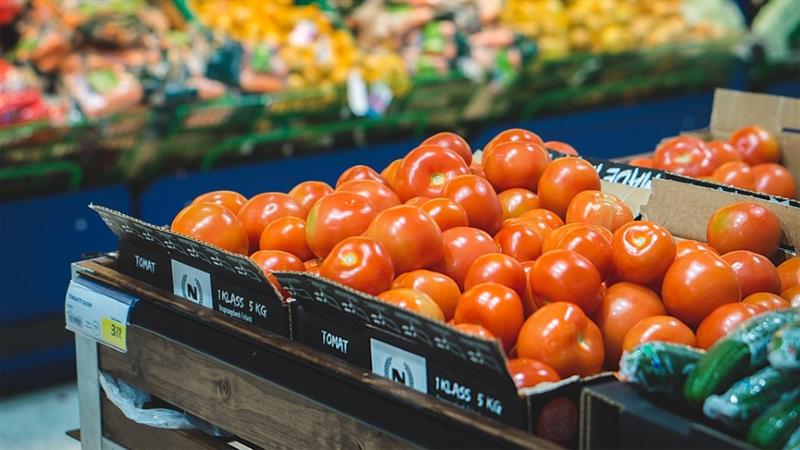
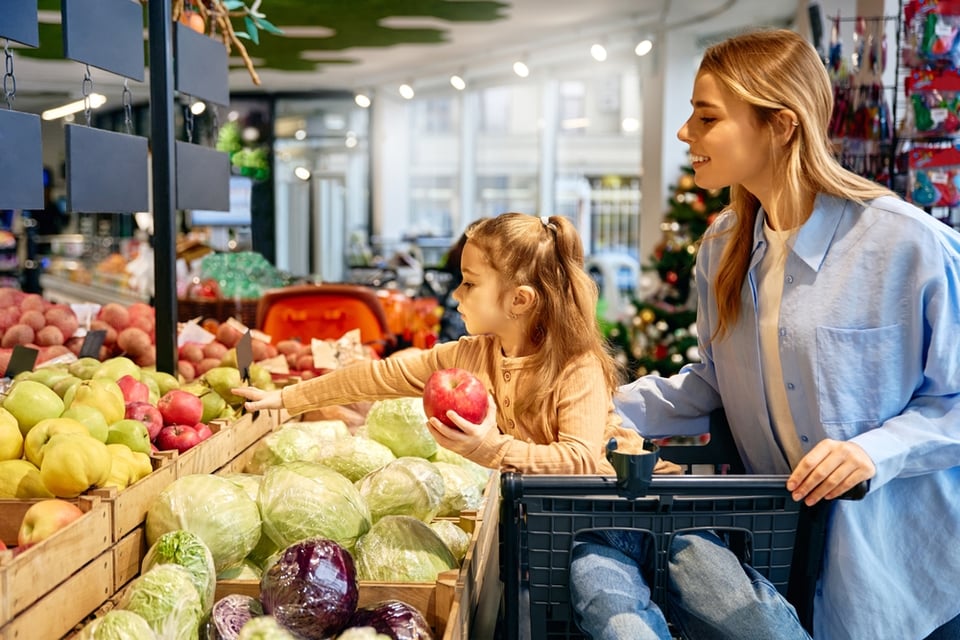
Produce branding is becoming an increasingly important factor in grocery shopping. Provoke Insights’ latest biannual study of 1,500 U.S. consumers found that one in five Americans choose their primary grocery store based on fresh produce selection. Urban consumers, parents, and Gen Z shoppers are especially likely to prioritize fresh produce. These findings highlight its growing role in grocery store choice.

Fresh Produce Branding Builds Consumer Trust

Produce branding is also gaining momentum. More than one-third of Americans regularly purchase the same produce brands. Quality, value, and taste are key loyalty drivers. Parents are especially likely to value produce branding. Thirty-seven percent say a produce brand influences their purchasing decisions, compared to 26% of Americans overall. Frequent grocery shoppers (35%), Gen Z consumers (35%), Millennials (34%), Hispanic consumers (34%), and urban shoppers (34%) are also more likely to value produce branding.

Fresh produce brand awareness remains low. However, consumers who recognize these brands associate them with quality, trust, and food safety. Dole continues to lead unaided brand recall (24%), while Driscoll’s has seen a notable increase since 2022, suggesting consumers are becoming more receptive to branded produce.

Inflation continues to impact grocery shopping, with nearly three-quarters of Americans saying rising prices are still affecting their grocery bills. With shoppers paying closer attention to their purchases, recognizable fresh produce brands can provide greater confidence in quality and value.

As competition among grocery retailers continues to grow, strong produce brands can help reinforce quality, trust, and long-term customer loyalty.

The takeaway is clear: produce branding is becoming a stronger signal of quality, trust, and grocery loyalty. For growers and retailers, investing in quality, visibility, and consistency may be the key to standing out in an increasingly competitive market.

To learn more about produce branding and grocery loyalty, read the full article here.
Brand Loyalty Low Among Furniture Shoppers
15 May 2026

5/15/26

Furniture brands are struggling to earn the same loyalty consumers give to their favorite jeans, beer, or smartphone makers, according to new research from Provoke Insights

The study ranked furniture near the bottom among 13 industries for brand loyalty, trailing categories such as apparel, alcohol, electronics, and beauty. While consimers often remain devoted to brands in fashion and tech, furniture shoppers appear far more willing to switch based on price, convenience, or experience.

Quality remains the biggest factor driving loyalty in furniture, cited by 53% of respondents. Furniture shoppers were also more likely than consumers in other categories to stay loyal to brands that meet their personal needs and maintain a trustworthy reputation.

Still, loyalty in the category appears fragile. Consumers said the main reasons they abandon furniture brands are declining quality and rising prices. Negative shopping experiences and poor customer service also continue to push buyers away, while convenience issues mattered more to furniture shoppers than to consumers in many other secotrs.

Perhaps most concerning for retailers and manufacturers, only one-third of respondents said brand names are important when shopping for furniture. Nearly half said they would likely choose a similar unbranded product it it came at a lower price.

For shoppers who do prefer branded furniture, quality overwhelmingly outweighs factors such as aesthetics, reputation or customer service. The findings suggest furniture companies are competing in a category where emotional attachment is weak and price senstitivity remains high.

The survey also found furniture shoppers frequently purchase related products, including home improvement items and electronics, reflecting the growth overlap between home, lifestyle and technology spending.

Despite concerns about inflation across the economy, furniture prices appeared less top-of-mind for consumers than rising costs in fuel, groceries, and restaurants. Only 22% of respondents said they noticed furniture price increases.

The findings highlight a growing challenge for furniture brands: consumers are increasingly focused on value, making it harder for companies to rely on branding alone. To build long-term loyalty, retailers may need to priortize quality, trust, and a smoother customer experience over prestige marketing.

Read the full article in Furniture Today here.

Health, Value, and Authenticity Drive Consumer Choices
13 Mar 2026

Read the full article on Modern Restauraunt Management: Here!

3/13/26

Heading into 2026, diners are increasingly focused on health, sustainability, and value when choosing where to eat. Provoke Insights’ latest survey reveals how restaraunts can respond to evolving consumer preferences while managing cost sensitivity and operational challenges.

Health-Forward Dining

Healthier options are the top priority for 40% of diners. Restaurants can attract consumers by offering nutrient-dense, customizable meals with transparent ingredient sourcing, making wellness a central part of the dining experience.

Sustainability and Local Sourcing

While sustainability matters, most consumers won’t pay much extra. Only 19% of pay more regardless of cost, with 53% of willing to pay a small premium. Operators can focus on cost-effective efforts like seasonal ingredients, reducing food waste, and highlighting local farms to show commitment without alienating value-sensitive guests.

Price Sensitivity and Dining Frequency

Price awareness remains high, with 74% noticing restaurant hikes. Fast food dominates frequent visits, while full-service dining is occasional. Loyalty programs, digital ordering, and value-focused bundles can help retain customers while justfying costs through health and local sourcing.

Digital Engagement

Gen Z and Millennials respond strongly to social media, short-form video, and online reviews. Word-of-mouth and search are still trusted. Restaurants should leverage localized digital campaigns and highlight seasonal or local offerings to build authenticity.

Technology and AI

AI can streamline operations and personalize experiences, from menu planning to loyalty offers and real-time inventory. Technology helps operators enhance efficiency, reduce costs, and meet modern diner expecations.

Conclusion

To stay competitive in 2026, restaurants must balance health-forward and sustainable offerings with value-conscious pricing, digital engagement, and smart use of technology. Those who align with these trends can attract loyal, experience-focused diners while improving operational efficiency and profitability.

Clean Skincare: What the New Ingredient-Aware Consumer Wants Next
13 Feb 2026

2/11/2026

Skincare is no longer just a routine, it’s a values statement.

Clean beauty has transformed from a trend to the basic baseline. Provoke Insights’ latest study of 1,500 U.S. consumers shows that shoppers today demand that products are safe, effective, and aligned with their personal values. Health, wellness, and transparency aren’t marketing fluff anymore, they’re thre rules of the game.

Skincare is universal: 92% of Americans use products like sunscreen or moisturizer, and nearly half bought something in the past month. For women, higher-income shoppers, Asian Americans, and Gen X, it’s more than self-care, it’s a daily ritual that combines wellness and self-expression. Clean skincare fits perfectly into this lifestyle, appealing to those who are health-conscious, environmentally aware, and intentional about their choices.

The ingredient list has become a deal breaker. 60% of users almost always read it before buying, and two-thirds say clean labeling matters. Consumers are actively avoiding harmful chemicals and seeking formulas that protect sensitive skin. “Clean” isn’t a buzzword, it’s a standard shoppers understand and expect brands to meet.

And they’ll pay for it. 84% of Americans say they’ll spend more time on clean skincare, and one in four will do so regardless of price increases. Clean beauty has become a modern luxury, one justified by safety, transparency, and alignment with personal values. Recognizable proof points, like vitamins C and E, dermatologist-tested or hypoallergenic claims, and naturl oils like coconut or jojoba, act as instant trust signals.

The takeaway is clear: today’s clean skincare shopper isn’t buying promises. They’re buying proof and rewarding brands that deliver it.

To learn more about clean skincare and what buyers expect read the full article here.

To explore more Winter Skincare Trends of 2026 visit Provoke Insights’ latest indsutry research and qualitative tools here.

Grocery Shoppers Priortize Local, Freshness, and Health
13 Feb 2026

2/5/26

Fresh produce is winning hearts but losing arguments at the register.

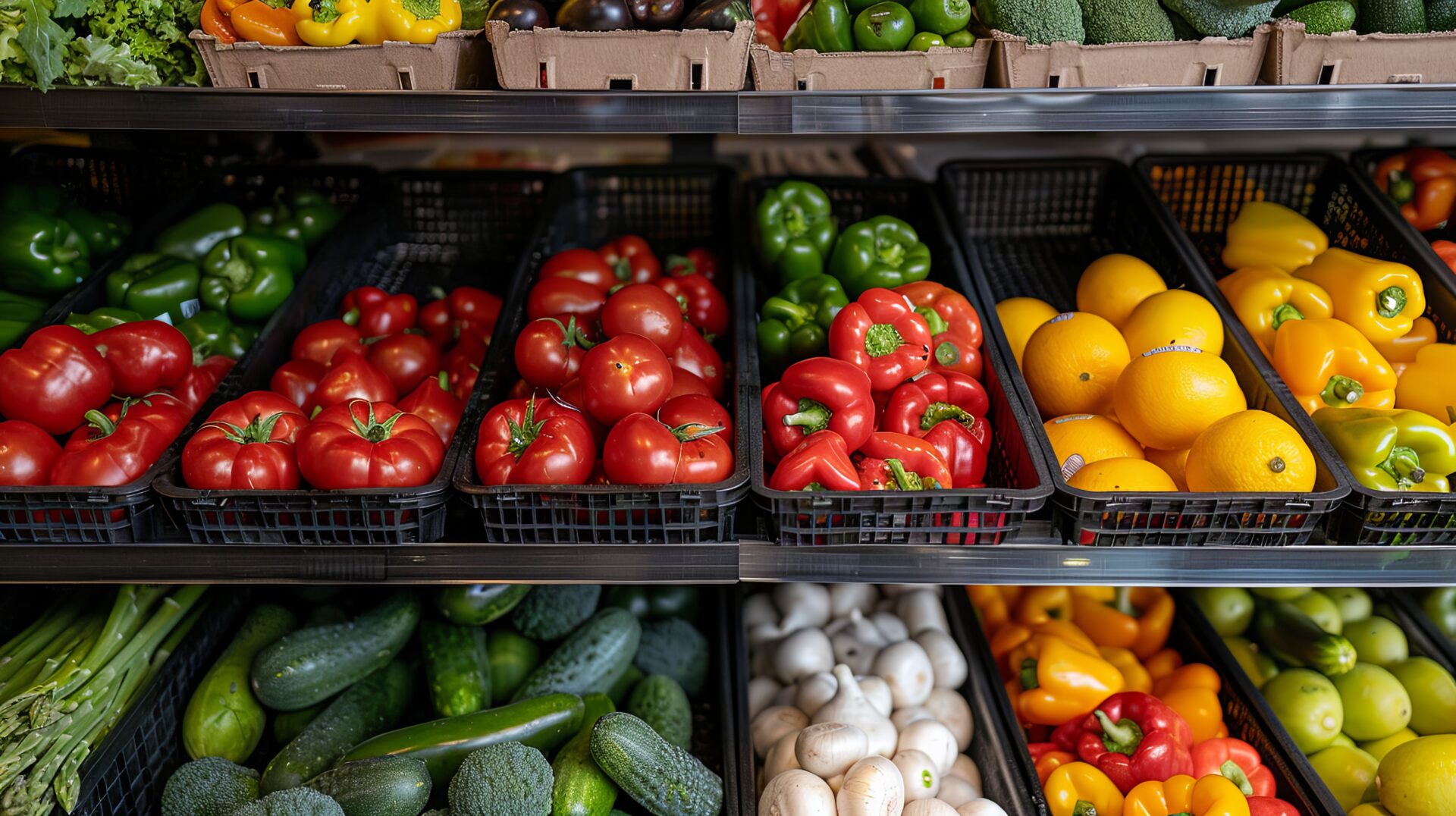
Provoke Insights’ Winter 2025/2026 Grocery Trends study shows U.S. shoppers are torn between their ideals and their budgets. Nearly half (47%) say locally grown produce is the top factor influencing their fresh purchases, with organic close behind. “Local” has broad pull, resonating with parents, Baby Boomers, rural consumers, and higher-income households alike. It signals freshness, trust, and a feel-good connection to the community.

Then reality kicks in. Price is the biggest barrier to buying produce, stated by 54% of shoppers. Short shelf life and seasonal availability add friction, particularly for higher-income consumers who expect quality but don’t want waste. Shoppers may aspire to load up on fresh fruits and vegetables, but cost and practicality often determine what actually makes it into the cart.

Across the store, consumers are selective about where they’ll spend more. They’re willing to pay a premium for products tied to high-quality ingredients, cleaner eating, and clear health benefits. Sustainability, while appreciated, rarely seals the deal on its own. If it doesn’t connect directly to personal well-being or tangible value, it becomes a secondary consideration.

Nearly one in four shoppers doubt claims like “sustainably sourced” or “no artifical flavors,” with Gen Z the most skeptical. Unclear labels and inconistent messaging are fueling suspicion and raising the bar for transparency.

The bottom line: shoppers want local, fresh, and healthy groceries, but they demand affordability, longevity, and proof. In a high-cost environment, produce has emotional appeal, but only values and credibility will keep it in the basket.

To learn more about what grocery shoppers are newly prioritizing when it comes to their produce read the full article here.

To learn more about other new grocery trends this Winter 2026, visit Provoke Insights’ latest industry research here.

Grocery Shoppers Are Rewriting the Rules of Healthy Eating
13 Feb 2026

1/30/2026

The grocery aisle has turned into a courtroom, and every product is on trial.

Across the country, shoppers are making sharper, more deliberate choices about what lands in their carts. Health is no longer a bonus; it’s the starting line. Protein leads the charge with 38% of Americans calling it the most influential health factor when buying food. Lowes sugar, fewer additionall additives, and whole ingredients are close behind. Consumers want food that feals real, energizing, and aligned with their well-being, not just cleverly marketed.

Parents are especially strategic, prioritizing low-sugar, organic, and low-sodium options. Higher income shoppers treat “no artifical additives” as a premium badge. Generations split in very different ways: Boomers focusing on cutting sugar and sodium, Millenials gravitate towards organic and natural foods, and Gen Z shows the most skepticism, often questioning the very claims brands rely on.

Even snacking reflects this shift. Indulgence isn’t gone, it’s been refined. High-protein snacks come out on top among health-minded shoppers, while reduced sugar matters more than going fully sugar-free. The same purposeful mindset appears in produce, where local, organic, and pesticide-free options build confidence.

Prices are rising, three quarters of Americans have noticed, and many are watching their budgets. Still, more than four in five say they’re willing to pay more for higher-quality ingrediets or products that clearly support their health goals. Shoppers are cutting back selectively, not lowering their standards.

Nearly one in four consumers doubt claims about artifical flavors and dyes, fueled by confusing labels and vargue messaging. In today’s supermarket, bold promises aren’t enough. Shoppers want clarity, proof, and a reason to believe.

To learn more about the new perspectives of your average Grocery Shopper read the full article here.

To dive into these new perspectives and qualitative research tools, visit Provoke Insights’ latest industry research and methodologies here.

When Grocery Shoppers Say One Thing but Buy Another
04 Feb 2026

19 Dec 2025

Provoke Insights’ latest thought leadership examines the growing gap between grocery shoppers’ clean eating intentions and their real world purchasing behavior.

Published in QRCA Views, research expert Carly Fink explores why what consumers say they want often does not align with what ends up in their carts. The article introduces an integrated qualitative research framework that helps brands better interpret these contradictions and understand decision making in context.

Drawing on real grocery shopping dynamics, the piece highlights how stated preferences for clean foods and transparent ingredient claims are frequently overridden by impulse, price sensitivity, convenience, and familiarity at the point of purchase. These competing priorities reveal why health focused intentions often break down in the moment.

Rather than relying solely on traditional surveys, the thought leadership emphasizes the importance of qualitative methodologies in uncovering the why behind consumer behavior. Approaches such as System 1 gut response techniques, ethnographic interviews, journey mapping, and projective exercises illuminate the emotional and situational drivers shaping grocery decisions in real time.

By examining grocery shopping within its true decision making context, the article shows how brands can better bridge the gap between attitudes and behaviors. Understanding the emotional trade offs shoppers make such as balancing health goals with family preferences, budget constraints, and time pressures can help brands build trust, enhance credibility around health and sustainability claims, and develop more effective packaging, messaging, and product innovation.

For deeper insight into decoding consumer contradictions in grocery shopping, read the full article here.

To explore more perspectives on grocery shopper psychology and qualitative research tools, visit Provoke Insights’ latest industry research and methodologies here.

How Market Research Explains Impulse Buying in Ecommerce
04 Feb 2026

17 Dec 2025

Shopify draws on Provoke Insight’s consumer market research to examine why impulse buying remains a powerful force in ecommerce. The article explores how unplanned purchases are shaped by emotion, convenience, and discovery, and how digital shopping environments are designed to encourage spontaneous decisions.

The consumer market research shows that impulse buying is less about lack of discipline and more about how shoppers respond to emotional cues, perceived value, and moments of frictionless convenience. Digital platforms that remove barriers and surface relevant products are especially effective at triggering impulse behavior.

Provoke Insights’ research highlights that emotional appeal plays a central role in impulse purchases. Shoppers are more likely to buy spontaneously when products feel rewarding, timely, or easy to justify.

Low-friction experiences amplify these decisions. Seamless navigation, fast checkout, and personalized recommendations reduce hesitation and make unplanned purchases feel effortless.

Discovery is another key driver. Visual merchandising, trending items, and complementary product suggestions create moments that prompt shoppers to act in the moment rather than delay decisions.

The takeaway is clear. Ecommerce brands that combine emotional appeal, ease of use, and trust-building signals are better positioned to capture impulse purchases without increasing buyer regret.

To learn more about how impulse buying tactics influence ecommerce performance, read the full article here.

Explore more Provoke Insights research and industry perspectives on retail decision-making here.

Why Effective Managers Shape Business Success and Workplace Culture
04 Feb 2026

7 Oct 2025
Published by Business Wire, new market research on business impact from Provoke Insights shows that manager effectiveness is a critical driver of business performance, employee engagement, and workplace culture.


The study, Cracking the Code on Manager Impact: Closing the Gap Between Perception and Performance, conducted with Insperity, surveyed 1,000 U.S. executives, managers, frontline employees, and HR professionals. It reveals a clear perception gap between leadership and employees: while nearly half of executives believe managers exceed expectations, only about one in five frontline employees agree.


According to market research on business impact, effective management is closely tied to business outcomes. Organizations with effective managers are twice as likely to report strong performance, and employees who rate their managers highly are far more likely to describe workplace culture as healthy and aligned with company values. However, heavy administrative demands, growing workloads, and limited leadership training continue to limit manager effectiveness.


The findings reinforce that strong managers are essential to both performance and culture. Companies that invest in manager development, clear communication, and employee empowerment are better positioned to drive long-term success.


For more insight into how manager effectiveness impacts business outcomes and workplace culture, read the full article here.

Explore more leadership and workforce research from Provoke Insights here.

When Contracts Go Unmanaged, Businesses Lose Value
03 Feb 2026

9 Jul 2025

Workday partnered with Provoke Insights to examine how inefficient contract management is impacting financial performance and operational efficiency. Drawing on findings from the Contract Intelligence Index Report, the article shows how unclear ownership, fragmented systems, and slow processes prevent organizations from capturing full contract value.

The contract management market research highlights that contract management is often treated as a legal function rather than a business asset. As a result, many employees lack visibility into contract terms, renewal dates, and obligations, leading to revenue loss and increased risk.

Provoke Insights conducted a national survey of U.S. business professionals across legal, finance, sales, procurement, and operations functions to assess how contracts are managed across organizations.

The findings reveal widespread confusion around contract ownership. The contract management market research revealed that many employees do not know who is responsible for managing contracts, limiting the ability to track performance, identify growth opportunities, or prevent costly auto-renewals.

Fragmented contract storage further compounds the problem. Contracts spread across email, shared drives, CRM systems, and desktops reduce visibility, slow decision-making, and increase compliance risk.

The takeaway is clear. Organizations that centralize contract data, clarify ownership, and streamline workflows are better positioned to reduce risk, unlock hidden value, and improve business agility.

For more insights on how unmanaged contracts affect financial performance and operational outcomes, read the full article here.

Want deeper insights into contract intelligence and business efficiency? Explore more research and thought leadership from Provoke Insights here.

How Consumers Are Changing Grocery Shopping in 2025
03 Feb 2026

18 Apr 2025

Progressive Grocer features new Provoke Insights grocery and produce market research showing how shoppers are reshaping grocery retail in 2025. Rising prices, changing routines, and digital expectations are giving consumers greater control over where and how they shop.

What is driving grocery shopper behavior in 2025?

Provoke Insights’ biannual study of 1,500 U.S. consumers finds grocery inflation is felt more acutely than in any other retail category, pushing shoppers to reassess value, loyalty, and purchasing habits.

How are shoppers responding to higher prices?

Consumers are turning to private label brands, buying in bulk, and shopping across multiple retailers. Weekly stock-up trips are giving way to more frequent, flexible shopping.

What role does technology play today?

Digital tools are now expected. Shoppers rely on apps, online ordering, and personalized promotions. Nearly four in ten say they would use AI tools to build lists and find deals, especially Gen Z, Millennials, and parents.

What do shoppers expect from retailers?

Better value, personalization, and convenience. Real-time inventory, reliable substitutions, and tailored recommendations are increasingly essential.

What does this mean for retailers and brands?

Retailers that adjust pricing, evolve loyalty programs, and invest in digital and AI capabilities are best positioned as shoppers take control of the grocery experience.

To learn more about how grocery and produce market research explains shopper behavior in 2025, read the full article here.

Explore more consumer and retail insights from Provoke Insights.

Skincare Shoppers Are Rethinking Trust
03 Feb 2026

9 Jul 2025

Happi partnered with Provoke Insights to examine how consumers decide which skincare products to buy as new sources of guidance emerge. Written by Provoke Insights founder Carly Fink, the article draws on national consumer research to explore how trust is shifting from traditional expert authority toward AI-enabled personalization.

The beauty and skincare market research shows that while dermatologists remain an important signal of product efficacy, they are no longer the sole influence on skincare decisions. Consumers increasingly expect fast, personalized, and explainable recommendations that help them navigate crowded product assortments.

Provoke Insights conducted a 15-minute online survey in March 2025 among 1,500 U.S. adults ages 21 to 65. The sample was nationally representative by age, gender, income, ethnicity, region, and parental status.

The findings reveal that AI plays a growing role in product discovery and evaluation. Shoppers are open to tools that simplify decision-making, tailor recommendations to individual skin needs, and clearly explain product benefits and ingredients.

Personalization has become a baseline expectation. Generic skincare messaging is losing relevance as consumers seek solutions that feel specific, credible, and easy to understand.

The takeaway is clear. Skincare brands that combine expert authority with AI-powered guidance are better positioned to build trust, influence purchase decisions, and drive long-term loyalty.


For more insight from the beauty and skincare market research on how brands can adapt to evolving consumer trust and decision-making, read the full article here.

Explore more brand, beauty, and consumer behavior research from Provoke Insights.