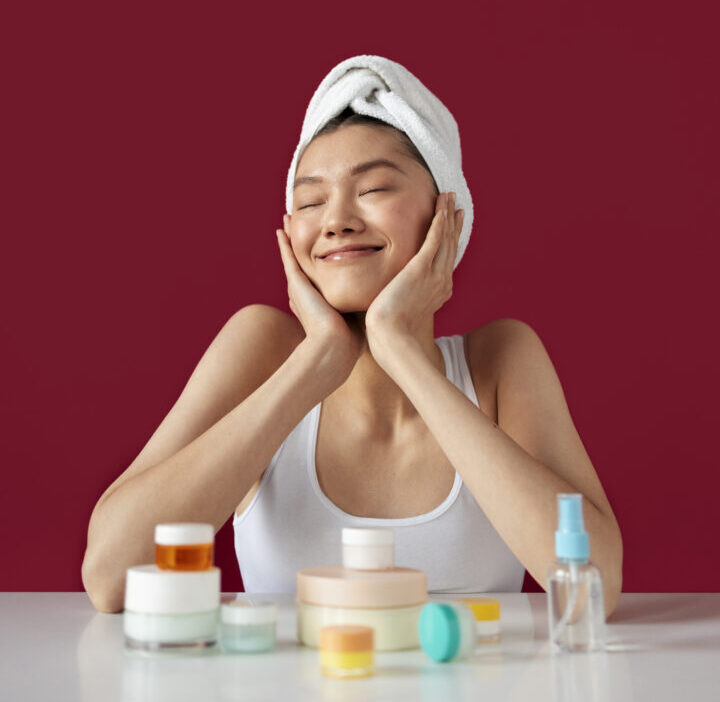
Beauty and skincare brand loyalty remains strong despite ongoing economic uncertainty. These products have become an essential part of consumers’ self-care and wellness routines, reinforcing their importance in everyday life. Beauty and skincare have become an essential part of consumers’ self-care and wellness routines, reinforcing their importance in everyday life.
Beauty and Skincare Brand Loyalty Starts with Trust
Beauty and skincare shoppers enjoy discovering new products, but exploration alone does not drive purchases.. Provoke Insights’ research shows that trust and product performance ultimately determine which brands consumers choose and remain loyal to.
Lifestyle Habits Shape Beauty and Skincare Brand Loyalty
Shoppers in the beauty and skincare category are intentional buyers who view purchasing as more than a routine task. Skincare remains a popular category, with 50% of Americans purchasing skincare products in the past month, while 37% purchased beauty products. Compared to non-purchasers, they are more likely to enjoy browsing stores, discovering new products, and identifying as trendsetters.
Their interests extend beyond shopping as well. Skincare purchasers are more likely to participate in self-care (42%), crafting (23%), yoga (14%), and fine arts (10%), reflecting a greater focus on wellness and self-expression. In contrast, beauty purchasers are more likely to engage in social and experiential activities. These include dining out (34%), domestic travel (24%), dancing (22%), bar hopping (17%), attending concerts (15%), and professional sporting events (14%).
These behaviors suggest that beauty and skincare purchases are closely tied to broader lifestyle habits focused on wellness and self-expression.
Beauty and Skincare Purchases Are Driven by Discovery and Trust
Beauty and skincare shoppers enjoy exploring new products, but they also navigate one of the most crowded shopping environments of any category. Nearly 60% of Americans say the large number of choices overwhelm them when shopping, with beauty and skincare ranking among the most crowded categories.
Customer Reviews Strengthen Beauty and Skincare Brand Loyalty
Shoppers primarily rely on trusted brands and customer reviews when making purchase decisions. Nearly half (48%) of both beauty and skincare purchasers use customer reviews and ratings to guide their choices. These sources help shoppers navigate a constant stream of new products, ingredients, and trends. For brands, innovation remains important, but credibility matters just as much. Positive reviews, strong brand equity, and clear product benefits help shoppers feel confident in their choices.
Beauty and Skincare Brand Loyalty Depends on Product Performance
Although shoppers are willing to explore different brands, they remain loyal to products that consistently deliver quality. Fifty-five percent of purchasers in both categories identify quality as their top loyalty driver. Value, trust, and positive experiences also play an important role, but product performance remains the primary driver. Those same factors also influence why consumers switch brands. Nearly half of skincare purchasers (47%) stop purchasing when product quality declines. The same is true for 46% of beauty purchasers. Price increases rank second, cited by 33% and 32%, respectively.
Together, these findings reinforce an important reality for beauty and skincare brands: loyalty is not guaranteed. Consumers are willing to explore alternatives, but they remain loyal to products that consistently deliver results and meet their needs.
What Beauty and Skincare Brand Loyalty Means for Brands
Despite economic pressures, consumers continue to prioritize beauty and skincare purchases, even amid economic pressures. However, success in the category requires more than innovation alone.
Brands that combine innovation with credibility, consistently deliver results, and earn consumer trust build stronger, longer-lasting loyalty.
Want to learn more? Read our full report and explore our featured article summary.
Methodology
Provoke Insights conducted a 15-minute online survey among 1,500 Americans aged 21 to 65 in March 2026. A stratified random sample methodology was used to ensure representation across key demographic groups, including age, gender, household income, geography, ethnicity, and presence of children in the household. Provoke Insights conducted statistical testing at a 95% confidence level, with a margin of error of ±2.5%.