Brand Loyalty Low Among Furniture Shoppers
15 May 2026

5/15/26

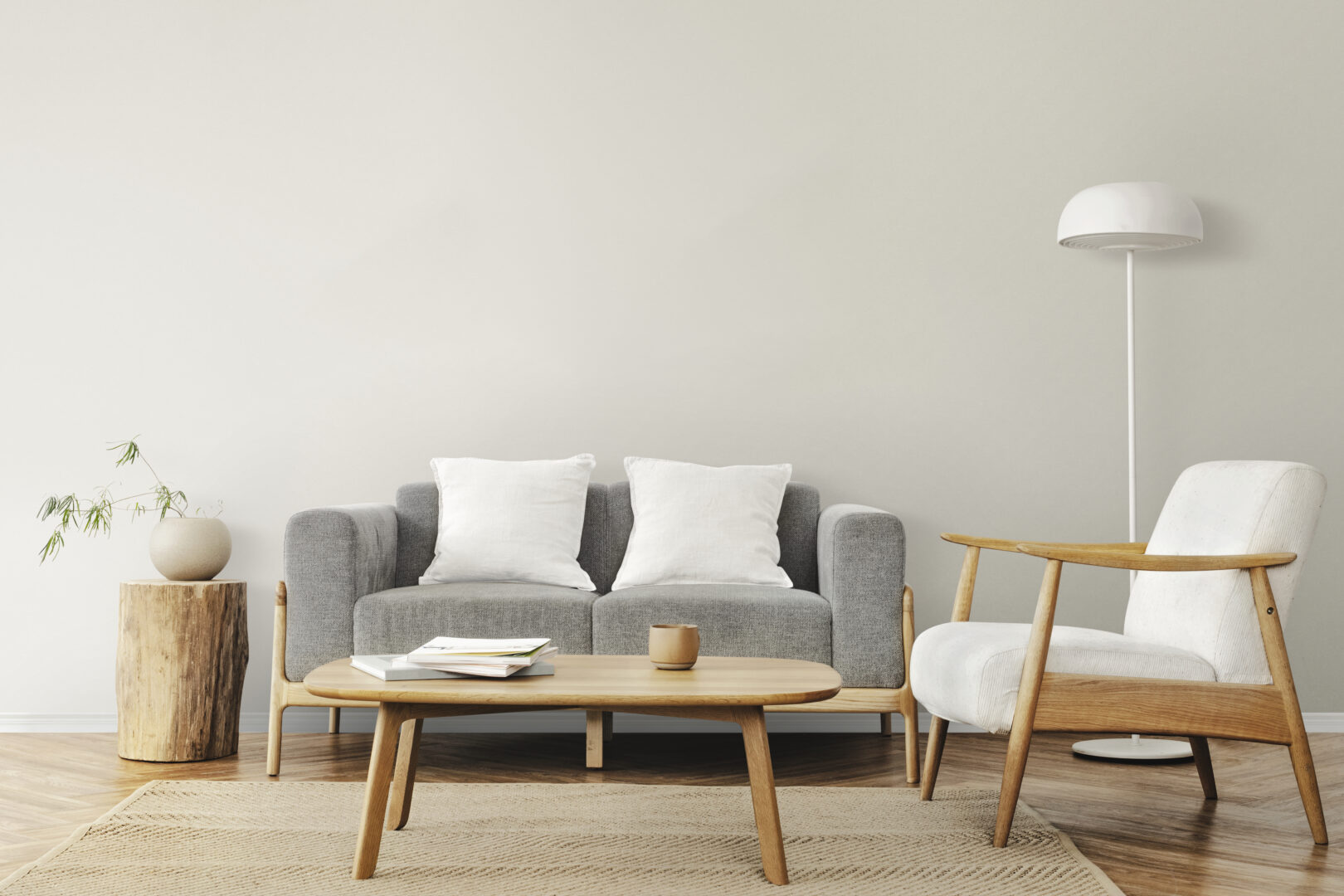
Furniture brands are struggling to earn the same loyalty consumers give to their favorite jeans, beer, or smartphone makers, according to new research from Provoke Insights

The study ranked furniture near the bottom among 13 industries for brand loyalty, trailing categories such as apparel, alcohol, electronics, and beauty. While consimers often remain devoted to brands in fashion and tech, furniture shoppers appear far more willing to switch based on price, convenience, or experience.

Quality remains the biggest factor driving loyalty in furniture, cited by 53% of respondents. Furniture shoppers were also more likely than consumers in other categories to stay loyal to brands that meet their personal needs and maintain a trustworthy reputation.

Still, loyalty in the category appears fragile. Consumers said the main reasons they abandon furniture brands are declining quality and rising prices. Negative shopping experiences and poor customer service also continue to push buyers away, while convenience issues mattered more to furniture shoppers than to consumers in many other secotrs.

Perhaps most concerning for retailers and manufacturers, only one-third of respondents said brand names are important when shopping for furniture. Nearly half said they would likely choose a similar unbranded product it it came at a lower price.

For shoppers who do prefer branded furniture, quality overwhelmingly outweighs factors such as aesthetics, reputation or customer service. The findings suggest furniture companies are competing in a category where emotional attachment is weak and price senstitivity remains high.

The survey also found furniture shoppers frequently purchase related products, including home improvement items and electronics, reflecting the growth overlap between home, lifestyle and technology spending.

Despite concerns about inflation across the economy, furniture prices appeared less top-of-mind for consumers than rising costs in fuel, groceries, and restaurants. Only 22% of respondents said they noticed furniture price increases.

The findings highlight a growing challenge for furniture brands: consumers are increasingly focused on value, making it harder for companies to rely on branding alone. To build long-term loyalty, retailers may need to priortize quality, trust, and a smoother customer experience over prestige marketing.

Read the full article in Furniture Today here.

Insurance Brand Tracking Case Study
07 May 2026

The annual tracker delivered powerful market-level insights while revealing how consumer perceptions and advertising effectiveness evolved over time.

CHALLENGE

A leading national insurance provider wanted to better understand brand equity, advertising effectiveness, and evolving consumer perceptions. The company required an annual tracking program capable of measuring changes in awareness, consideration, and campaign performance over time.

To support long-term strategic planning, the provider partnered with Provoke Insights to conduct a large-scale annual tracker spanning 25 localized markets nationwide. The objective was to evaluate how brand equity and advertising initiatives performed across diverse geographic regions. The research was needed to uncover market-level differences in consumer attitudes, behaviors, and media engagement.

Because audiences varied by region and demographics, the study required a flexible design ensuring representative participation and trend consistency.

SOLUTION

Provoke Insights designed and executed a multi-wave annual tracking study using blended research methodologies. The approach maximized respondent reach, data reliability, and year-over-year comparability. The research incorporated online, telephone interviewing, and phone-to-web methodologies to engage consumers across all markets. The study has successfully completed three annual waves of research. A rigorous methodological framework maintained throughout each phase ensured continuity in trend measurement and brand performance evaluation.

Provoke Insights developed customized weighting plans for each geographic area, balancing demographic composition to ensure statistically reliable insights at both the national and local levels.

The localized market approach allowed the insurance provider to move beyond broad national averages and gain a more nuanced understanding of regional differences in brand perception, advertising recall, consumer priorities, and purchase drivers.

Provoke Insights created a scalable tracking framework capable of delivering both strategic national insights and highly actionable market-level intelligence.

RESULT

The annual tracker provided the insurance provider with a comprehensive and evolving view of brand equity, advertising effectiveness, and consumer sentiment across national and local markets. Key findings included:

  • Ongoing measurement of brand equity metrics, including awareness, consideration, perception, and customer sentiment.
  • Advertising effectiveness insights, including campaign recall, messaging resonance, and audience engagement.
  • Localized market analysis identifying regional differences in consumer behaviors, competitive dynamics, and insurance purchase drivers.
  • Trend analysis across three completed waves, allowing the company to monitor shifts in consumer attitudes and brand performance over time.
  • Media planning insights that helped determine the most effective channels, messaging strategies, and regional investment opportunities to maximize campaign performance and audience reach.
  • Strategic recommendations to strengthen brand positioning, optimize advertising initiatives, and improve customer engagement.

The annual tracking framework established a continuous feedback loop that informed marketing investments, media planning, advertising optimization, and long-term brand strategy. This positioned the insurance provider to make more agile, data-driven decisions in an increasingly competitive marketplace.

Check out our other insurance case studies:

Segmentation research

Rebrand research