Home Improvement Brand Loyalty: 2026 Trends & Insights
30 Jul 2026

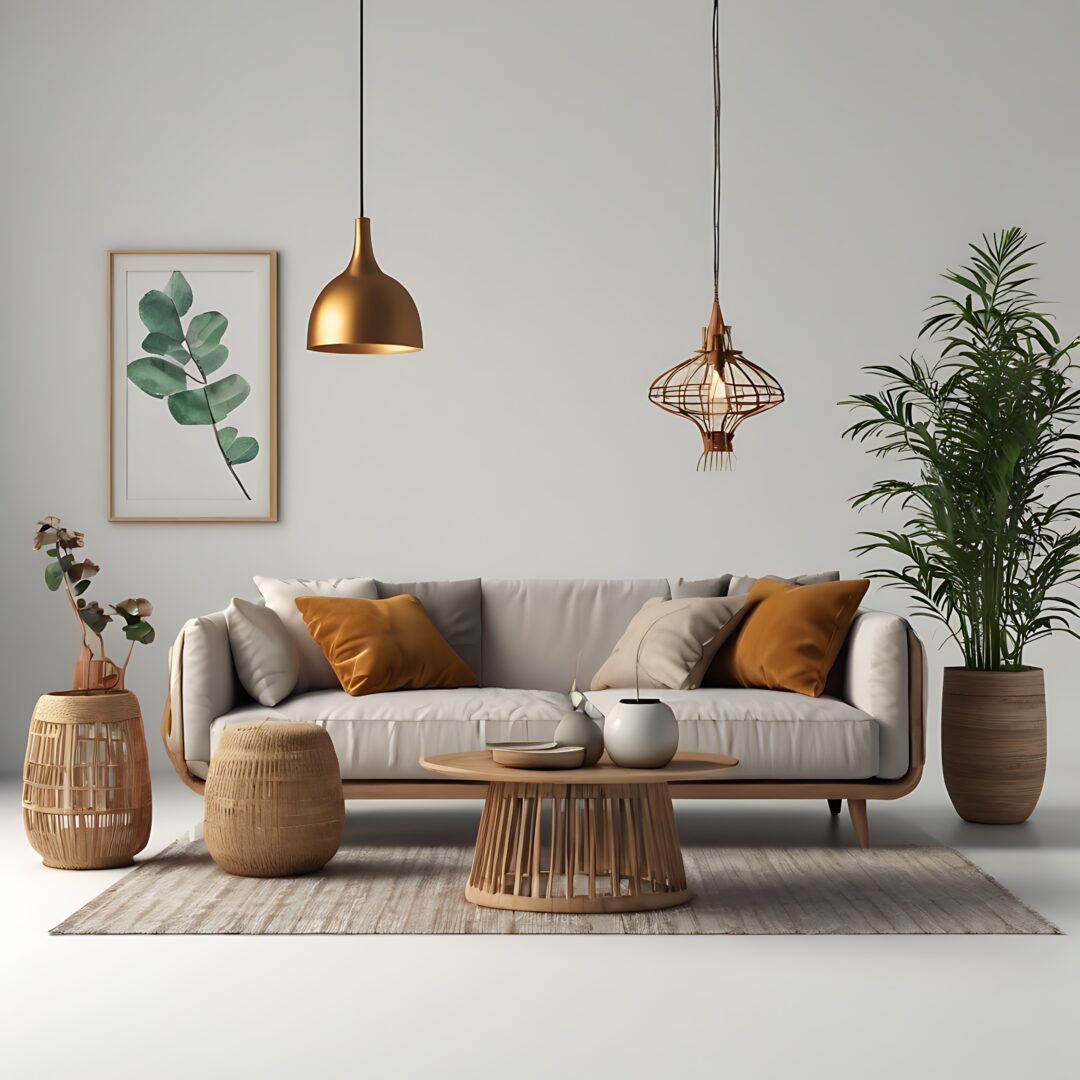
From product quality to customer reviews, Provoke Insights’ latest home improvement consumer research explores 2026 trends in shopping, brand loyalty, and purchase decisions. The research examines how product quality and customer reviews influence consumers.

Despite ongoing economic uncertainty, Americans continue investing in home improvement projects. Provoke Insights’ latest [2026 Consumer Trends Research] explores shopping behavior, brand loyalty, and purchase decisions. The research found that 29% of Americans purchased home improvement products in the past month. Participation was higher among parents (36%), Hispanic consumers (34%), and households earning $150K or more (32%).

Home Improvement Brand Loyalty Depends on Quality

Home improvement ranks below average on Provoke Insights’ Brand Loyalty Index (-9%), highlighting consumers’ willingness to switch brands when products fail to meet expectations. More than half of home improvement shoppers (56%) say quality is the biggest driver of their loyalty, ahead of value, trust, or convenience.

That same pattern appears when consumers decide to walk away from a brand. More than half (52%) say declining quality is the primary reason they stop purchasing, while price increases (34%) and negative personal experiences (23%) also contribute. These findings show that shoppers compare prices, but products must consistently perform to earn long-term loyalty. Reliable value also plays an important role.

How Consumers Build Home Improvement Brand Loyalty

Today’s home improvement shoppers face countless product choices. In fact, 18% say the category feels overwhelming, creating an opportunity for brands to simplify the buying process. When making home improvement purchase decisions, shoppers most often rely on recognized brands (50%), customer reviews (47%), and independent articles or third-party reviews (17%).

Home improvement brands can build confidence by providing clear product information, trustworthy reviews, and educational content. These resources help shoppers make informed purchase decisions.

What Home Improvement Brand Loyalty Means for Brands

Demand for home improvement products remains resilient, even as consumers continue monitoring their spending. Encouragingly, only one-third of Americans (33%) noticed price increases at home improvement stores over the past six months. This represents a decline from last year and suggests price pressures have eased.

Even so, customer loyalty in the home improvement category is not guaranteed. Consumers will switch brands when quality falls short or expectations go unmet. Brands that deliver reliable products and simplify the shopping process can earn repeat purchases and build long-term relationships.

Methodology

Provoke Insights conducted a 15-minute online survey among 1,500 Americans aged 21 to 65 in March 2026. A stratified random sample methodology was used to ensure representation across key demographic groups, including age, gender, household income, geography, ethnicity, and presence of children in the household. Statistical testing was conducted at a 95% confidence level, with a margin of error of ±2.5%.

Furniture Brand Loyalty: Why Quality Matters More Than Brand Name
29 Jul 2026

The biggest names do not always create furniture brand loyalty. Provoke Insights’ latest consumer research, featured in Furniture Today, explores what drives shoppers’ furniture decisions. While brand recognition can help attract attention, consumers continue to prioritize qualities such as product quality, value, and trust when deciding which brands to buy.

Brand awareness can help furniture companies attract shoppers. However, recognition alone does not guarantee loyalty. Consumers want confidence that their purchases will deliver lasting value. Product performance and reliability play an important role in their decisions. As competition increases, furniture brands that communicate their strengths and consistently deliver quality experiences can build stronger relationships with customers.

Quality strongly influences furniture shoppers. More than half say quality is the biggest driver of furniture loyalty. Value and trust also play important roles, showing that consumers are looking beyond brand names and focusing on the overall product experience.

The research shows that brands must deliver consistent value in a competitive market. As consumers become more selective with their spending, furniture brands must demonstrate why their products are worth the investment through durability, performance, and customer experience.

For retailers and manufacturers, building loyalty requires more than name recognition. Brands can stand out and build long-term relationships by delivering high-quality products and meeting evolving consumer expectations.

The takeaway is clear: strong brands are built through consumer trust, not just awareness. Furniture companies that focus on quality, value, and consistency can create stronger connections with shoppers and drive lasting loyalty.

To learn more about furniture shopping trends and what influences consumer loyalty, read the full article here.

Restaurant Loyalty: Why Food Quality Keeps Customers Coming Back
29 Jul 2026

According to Modern Restaurant Management’s report on Provoke Insights, food quality remains the strongest factor influencing restaurant loyalty, as consumers continue to prioritize great experiences over promotions and discounts.

What Drives Restaurant Loyalty?

The study of 1,500 U.S. consumers found that nearly half of restaurant customers (48%) say food quality drives their loyalty. Value, service, and cleanliness also influence decisions, but high-quality food remains the top reason customers return.

As restaurant prices continue to rise, consumers are becoming more intentional about where they spend their money. Many diners are willing to pay more when the experience feels valuable. However, declining quality and higher prices can drive customers away. Nearly seven in ten (68%) consumers say they have noticed restaurant price increases, showing that diners are balancing quality with value when deciding where to spend their money.

The research also highlights differences across generations. Boomers prioritize food quality and value. Younger consumers, including Gen Z, place more importance on healthy options and portion size. Understanding these differences can help restaurants create experiences that better align with customer expectations.

While promotions may encourage short-term visits, lasting restaurant loyalty is built through consistent quality and memorable experiences. Restaurants can strengthen customer relationships by delivering great food, maintaining value, and meeting evolving consumer needs. By understanding what matters most to different customer groups, restaurants can create experiences that encourage repeat visits and build stronger connections over time.

The takeaway is clear: food quality is at the heart of restaurant loyalty. As competition continues to increase, restaurants that consistently deliver on what customers value most can stand out and build long-term loyalty.

To learn more about restaurant loyalty drivers and consumer dining trends, read the full article here.

Skincare Loyalty: The Changing Face of Beauty Consumers
29 Jul 2026

Happi recently highlighted Provoke Insights research showing that skincare loyalty is no longer guaranteed, it has to be earned.

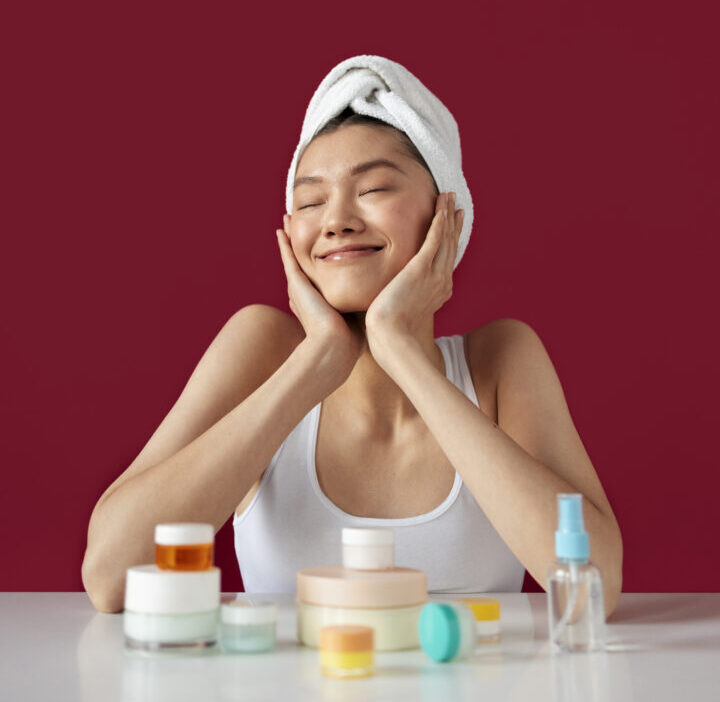
Provoke Insights’ study of 1,500 U.S. consumers found that half of Americans purchased skincare products in the past month. However, today’s shoppers are becoming more selective about the brands they trust. Nearly two-thirds of consumers say they feel overwhelmed by the number of products available, making it harder for brands to stand out.

What Drives Skincare Loyalty

Quality remains the biggest driver of skincare loyalty. More than half of skincare shoppers (55%) say product quality is the biggest reason they stay loyal to a brand, while value (30%)  ranks second. Consumers are willing to pay for products that deliver results, but rising prices and declining quality remain the biggest reasons they stop buying a brand.

Despite their loyalty, skincare shoppers continue to explore new products. Many rely on familiar brands and customer reviews to guide their decisions, while nearly half say they would switch brands if another product offered better performance. In a crowded category, consumers continue to reward brands that consistently deliver results.

Financial pressures are also influencing skincare purchases, making value just as important as innovation. Brands that consistently deliver effective products, maintain quality, and earn consumer trust are more likely to build lasting loyalty. Consumers are also seeking brands that offer transparency, effective solutions, and products that meet their specific needs. As competition grows, brands must create meaningful experiences that encourage shoppers to stay loyal.

The takeaway is clear: today’s skincare shopper is willing to try something new, but loyalty belongs to the brands that consistently prove their value through quality, performance, and trust.

To learn more about skincare loyalty and what consumers expect from beauty brands, read the full article here.

To explore more Summer 2026 Beauty & Skincare Trends, visit Provoke Insights’ latest industry research and consumer insights here.

Fresh produce is becoming a key driver of grocery store loyalty.
29 Jul 2026

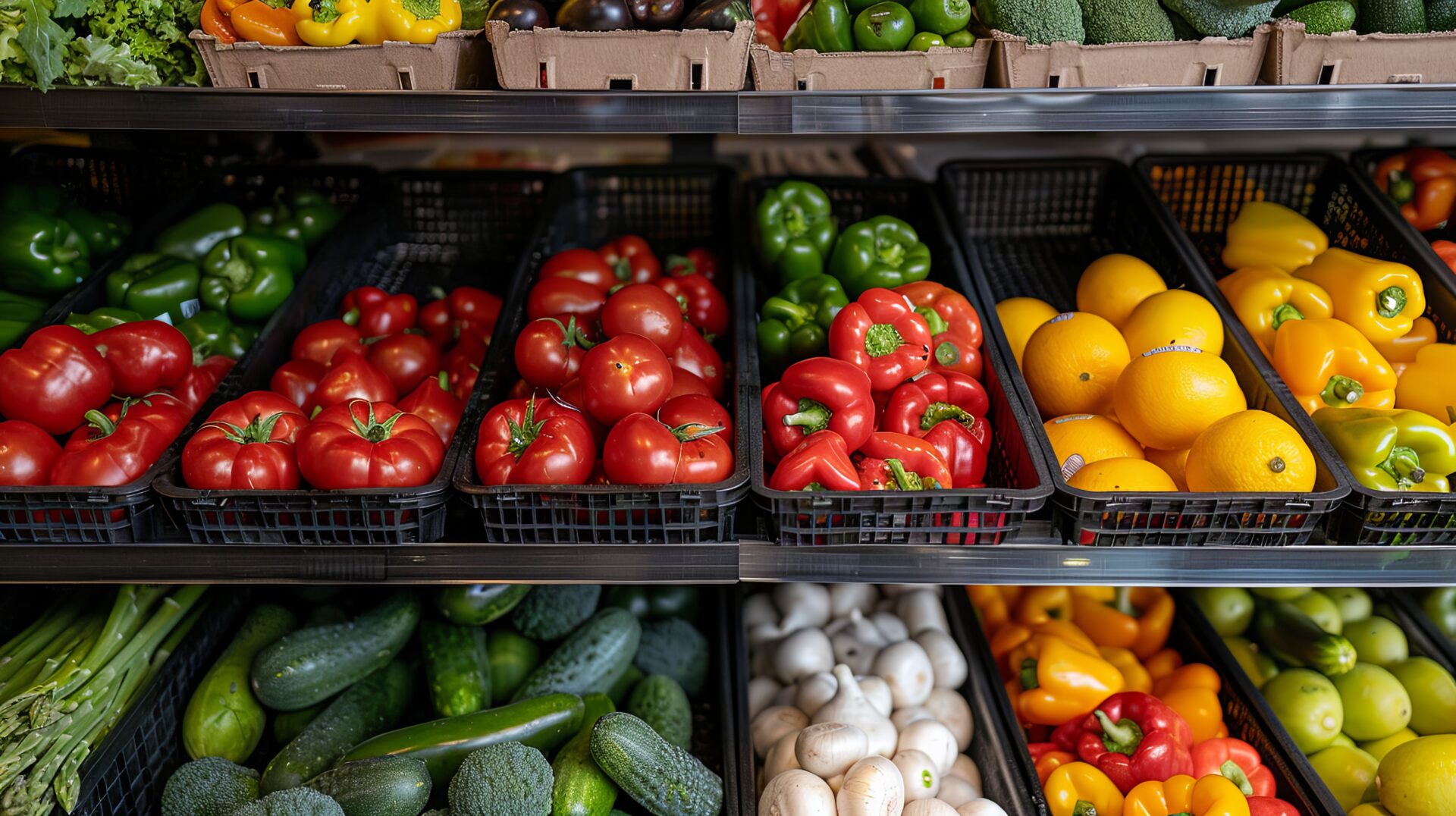
As highlighted in Produce Business’s coverage of Provoke Insights’ research, produce branding is becoming an increasingly important factor in grocery shopping. Provoke Insights’ latest biannual study of 1,500 U.S. consumers found that one in five Americans choose their primary grocery store based on fresh produce selection. Urban consumers, parents, and Gen Z shoppers are especially likely to prioritize fresh produce. These findings highlight its growing role in grocery store choice.

Fresh Produce Branding Builds Consumer Trust

Produce branding is also gaining momentum. More than one-third of Americans regularly purchase the same produce brands. Quality, value, and taste are key loyalty drivers. Parents are especially likely to value produce branding. Thirty-seven percent say a produce brand influences their purchasing decisions, compared to 26% of Americans overall. Frequent grocery shoppers (35%), Gen Z consumers (35%), Millennials (34%), Hispanic consumers (34%), and urban shoppers (34%) are also more likely to value produce branding.

Fresh produce brand awareness remains low. However, consumers who recognize these brands associate them with quality, trust, and food safety. Dole continues to lead unaided brand recall (24%), while Driscoll’s has seen a notable increase since 2022, suggesting consumers are becoming more receptive to branded produce.

Inflation continues to impact grocery shopping, with nearly three-quarters of Americans saying rising prices are still affecting their grocery bills. With shoppers paying closer attention to their purchases, recognizable fresh produce brands can provide greater confidence in quality and value.

As competition among grocery retailers continues to grow, strong produce brands can help reinforce quality, trust, and long-term customer loyalty.

The takeaway is clear: produce branding is becoming a stronger signal of quality, trust, and grocery loyalty. For growers and retailers, investing in quality, visibility, and consistency may be the key to standing out in an increasingly competitive market.

To learn more about produce branding and grocery loyalty, read the full article here.

Beauty and Skincare Brand Loyalty in 2026
22 Jul 2026

Beauty and skincare brand loyalty remains strong despite ongoing economic uncertainty. These products have become an essential part of consumers’ self-care and wellness routines, reinforcing their importance in everyday life. Beauty and skincare have become an essential part of consumers’ self-care and wellness routines, reinforcing their importance in everyday life.

Beauty and Skincare Brand Loyalty Starts with Trust

Beauty and skincare shoppers enjoy discovering new products, but exploration alone does not drive purchases.. Provoke Insights’ research shows that trust and product performance ultimately determine which brands consumers choose and remain loyal to.

Lifestyle Habits Shape Beauty and Skincare Brand Loyalty

Shoppers in the beauty and skincare category are intentional buyers who view purchasing as more than a routine task. Skincare remains a popular category, with 50% of Americans purchasing skincare products in the past month, while 37% purchased beauty products. Compared to non-purchasers, they are more likely to enjoy browsing stores, discovering new products, and identifying as trendsetters. 

Their interests extend beyond shopping as well. Skincare purchasers are more likely to participate in self-care (42%), crafting (23%), yoga (14%), and fine arts (10%), reflecting a greater focus on wellness and self-expression. In contrast, beauty purchasers are more likely to engage in social and experiential activities. These include dining out (34%), domestic travel (24%), dancing (22%), bar hopping (17%), attending concerts (15%), and professional sporting events (14%).

These behaviors suggest that beauty and skincare purchases are closely tied to broader lifestyle habits focused on wellness and self-expression.

Beauty and Skincare Purchases Are Driven by Discovery and Trust

Beauty and skincare shoppers enjoy exploring new products, but they also navigate one of the most crowded shopping environments of any category. Nearly 60% of Americans say the large number of choices overwhelm them when shopping, with beauty and skincare ranking among the most crowded categories.

Customer Reviews Strengthen Beauty and Skincare Brand Loyalty

Shoppers primarily rely on trusted brands and customer reviews when making purchase decisions. Nearly half (48%) of both beauty and skincare purchasers use customer reviews and ratings to guide their choices. These sources help shoppers navigate a constant stream of new products, ingredients, and trends. For brands, innovation remains important, but credibility matters just as much. Positive reviews, strong brand equity, and clear product benefits help shoppers feel confident in their choices.

Beauty and Skincare Brand Loyalty Depends on Product Performance

Although shoppers are willing to explore different brands, they remain loyal to products that consistently deliver quality. Fifty-five percent of purchasers in both categories identify quality as their top loyalty driver. Value, trust, and positive experiences also play an important role, but product performance remains the primary driver. Those same factors also influence why consumers switch brands. Nearly half of skincare purchasers (47%) stop purchasing when product quality declines. The same is true for 46% of beauty purchasers. Price increases rank second, cited by 33% and 32%, respectively.

Together, these findings reinforce an important reality for beauty and skincare brands: loyalty is not guaranteed. Consumers are willing to explore alternatives, but they remain loyal to products that consistently deliver results and meet their needs.

What Beauty and Skincare Brand Loyalty Means for Brands

Despite economic pressures, consumers continue to prioritize beauty and skincare purchases, even amid economic pressures. However, success in the category requires more than innovation alone.

Brands that combine innovation with credibility, consistently deliver results, and earn consumer trust build stronger, longer-lasting loyalty.

Want to learn more? Read our full report and explore our featured article summary.

Methodology

Provoke Insights conducted a 15-minute online survey among 1,500 Americans aged 21 to 65 in March 2026. A stratified random sample methodology was used to ensure representation across key demographic groups, including age, gender, household income, geography, ethnicity, and presence of children in the household. Provoke Insights conducted statistical testing at a 95% confidence level, with a margin of error of ±2.5%.