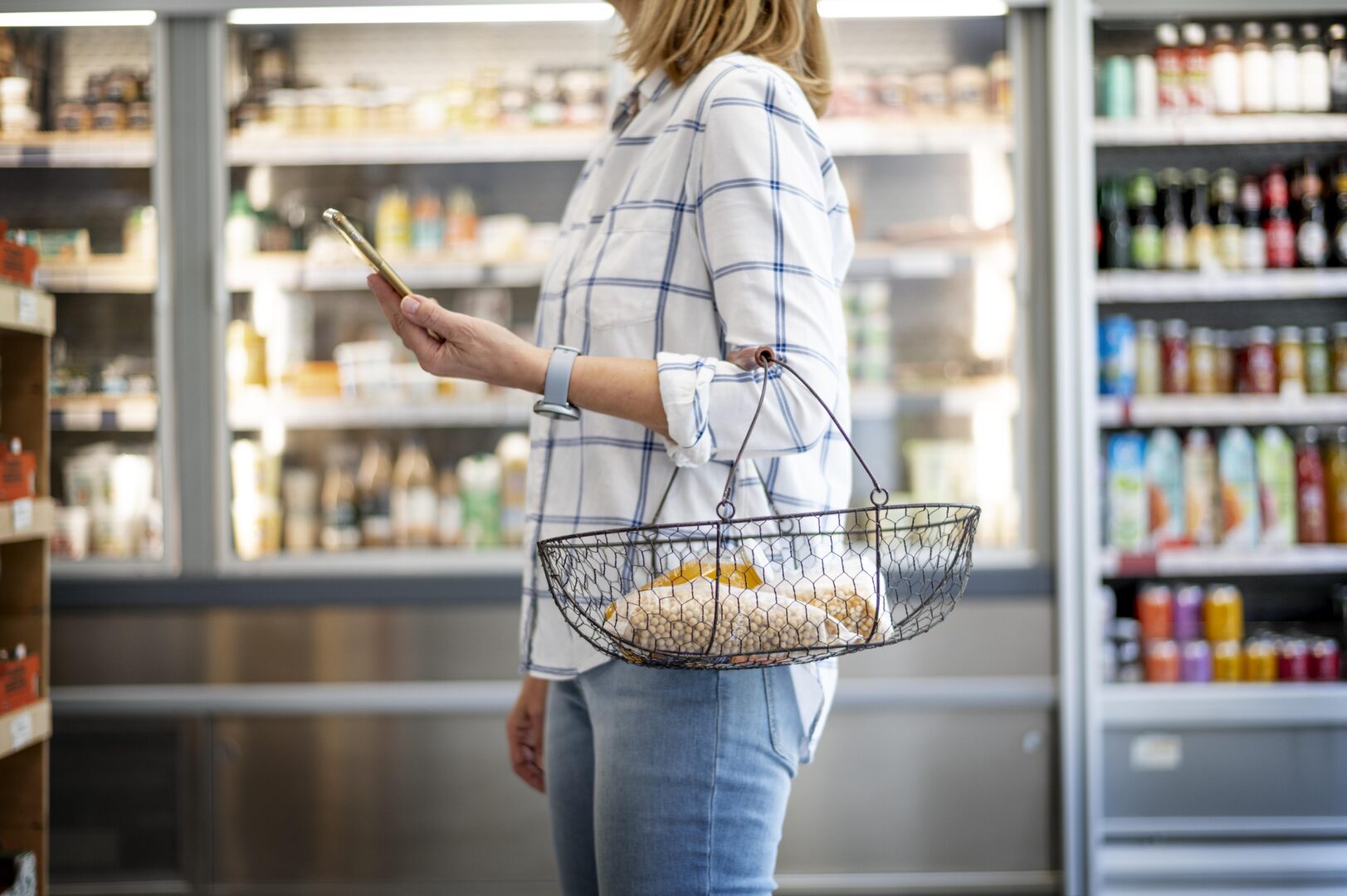
Health, Value, and Authenticity Drive Consumer Choices
13 Mar 2026

Read the full article on Modern Restauraunt Management: Here!

3/13/26

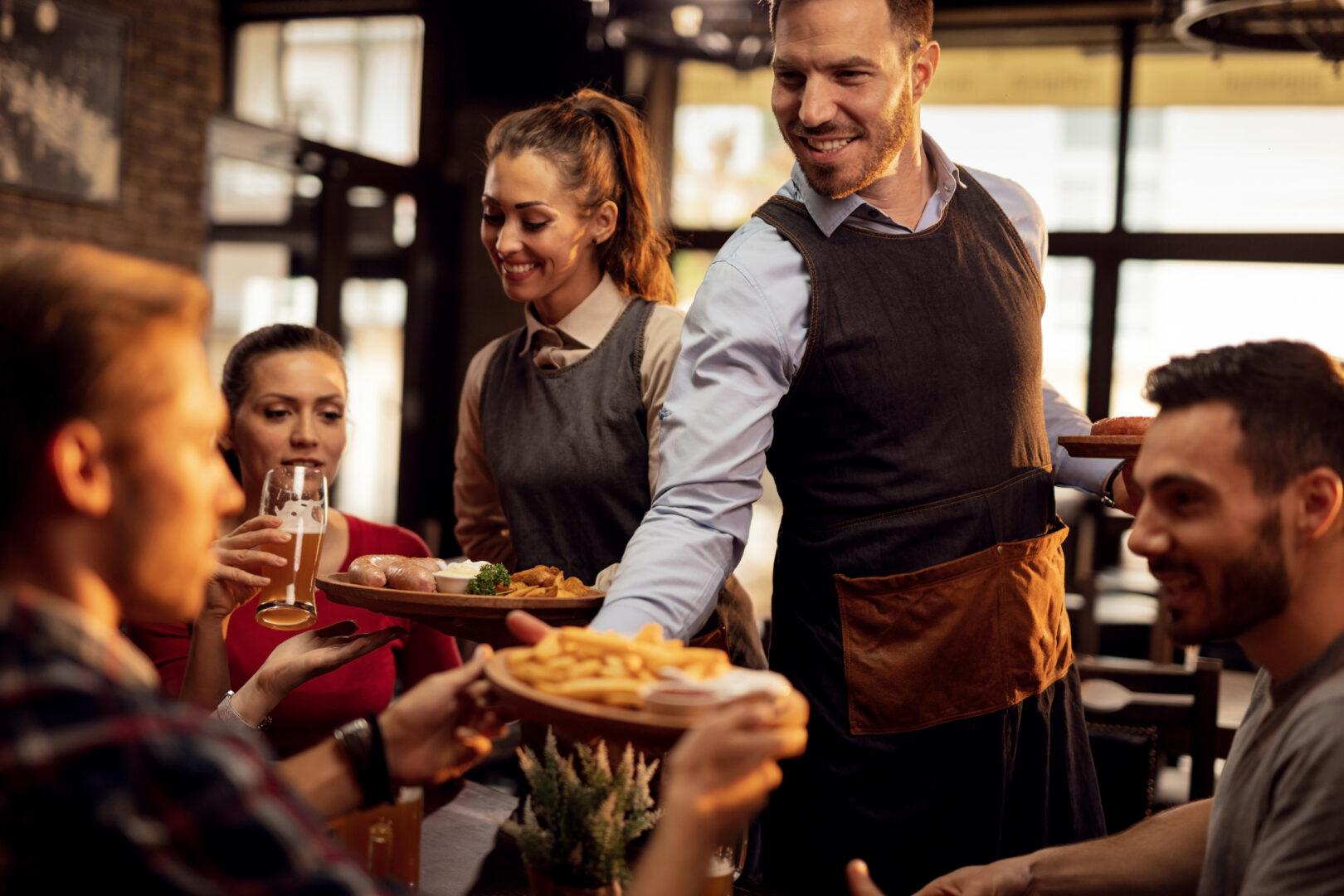
Heading into 2026, diners are increasingly focused on health, sustainability, and value when choosing where to eat. Provoke Insights’ latest survey reveals how restaraunts can respond to evolving consumer preferences while managing cost sensitivity and operational challenges.

Health-Forward Dining

Healthier options are the top priority for 40% of diners. Restaurants can attract consumers by offering nutrient-dense, customizable meals with transparent ingredient sourcing, making wellness a central part of the dining experience.

Sustainability and Local Sourcing

While sustainability matters, most consumers won’t pay much extra. Only 19% of pay more regardless of cost, with 53% of willing to pay a small premium. Operators can focus on cost-effective efforts like seasonal ingredients, reducing food waste, and highlighting local farms to show commitment without alienating value-sensitive guests.

Price Sensitivity and Dining Frequency

Price awareness remains high, with 74% noticing restaurant hikes. Fast food dominates frequent visits, while full-service dining is occasional. Loyalty programs, digital ordering, and value-focused bundles can help retain customers while justfying costs through health and local sourcing.

Digital Engagement

Gen Z and Millennials respond strongly to social media, short-form video, and online reviews. Word-of-mouth and search are still trusted. Restaurants should leverage localized digital campaigns and highlight seasonal or local offerings to build authenticity.

Technology and AI

AI can streamline operations and personalize experiences, from menu planning to loyalty offers and real-time inventory. Technology helps operators enhance efficiency, reduce costs, and meet modern diner expecations.

Conclusion

To stay competitive in 2026, restaurants must balance health-forward and sustainable offerings with value-conscious pricing, digital engagement, and smart use of technology. Those who align with these trends can attract loyal, experience-focused diners while improving operational efficiency and profitability.

Clean Skincare: What the New Ingredient-Aware Consumer Wants Next
13 Feb 2026

2/11/2026

Skincare is no longer just a routine, it’s a values statement.

Clean beauty has transformed from a trend to the basic baseline. Provoke Insights’ latest study of 1,500 U.S. consumers shows that shoppers today demand that products are safe, effective, and aligned with their personal values. Health, wellness, and transparency aren’t marketing fluff anymore, they’re thre rules of the game.

Skincare is universal: 92% of Americans use products like sunscreen or moisturizer, and nearly half bought something in the past month. For women, higher-income shoppers, Asian Americans, and Gen X, it’s more than self-care, it’s a daily ritual that combines wellness and self-expression. Clean skincare fits perfectly into this lifestyle, appealing to those who are health-conscious, environmentally aware, and intentional about their choices.

The ingredient list has become a deal breaker. 60% of users almost always read it before buying, and two-thirds say clean labeling matters. Consumers are actively avoiding harmful chemicals and seeking formulas that protect sensitive skin. “Clean” isn’t a buzzword, it’s a standard shoppers understand and expect brands to meet.

And they’ll pay for it. 84% of Americans say they’ll spend more time on clean skincare, and one in four will do so regardless of price increases. Clean beauty has become a modern luxury, one justified by safety, transparency, and alignment with personal values. Recognizable proof points, like vitamins C and E, dermatologist-tested or hypoallergenic claims, and naturl oils like coconut or jojoba, act as instant trust signals.

The takeaway is clear: today’s clean skincare shopper isn’t buying promises. They’re buying proof and rewarding brands that deliver it.

To learn more about clean skincare and what buyers expect read the full article here.

To explore more Winter Skincare Trends of 2026 visit Provoke Insights’ latest indsutry research and qualitative tools here.

Grocery Shoppers Priortize Local, Freshness, and Health
13 Feb 2026

2/5/26

Fresh produce is winning hearts but losing arguments at the register.

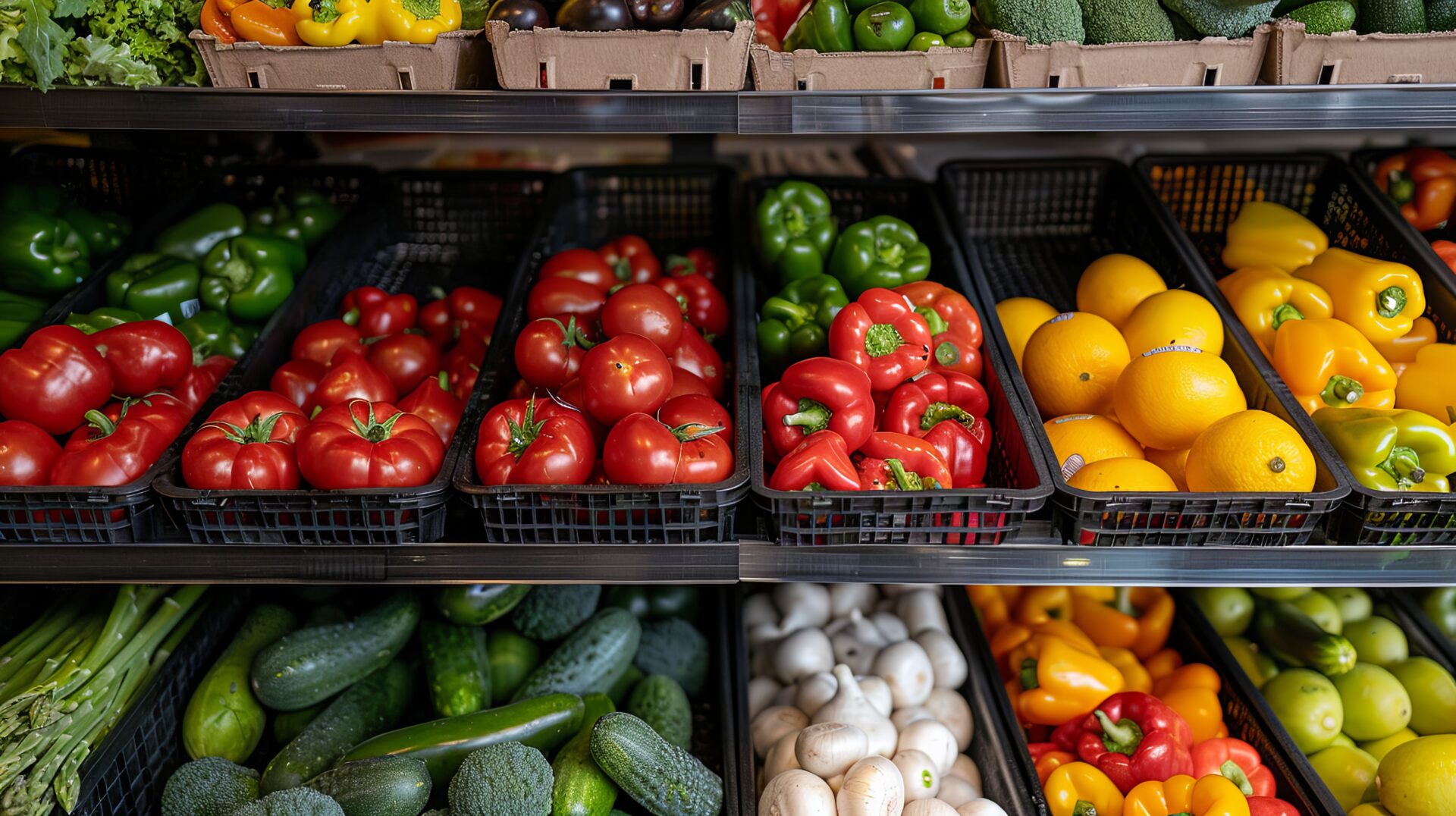
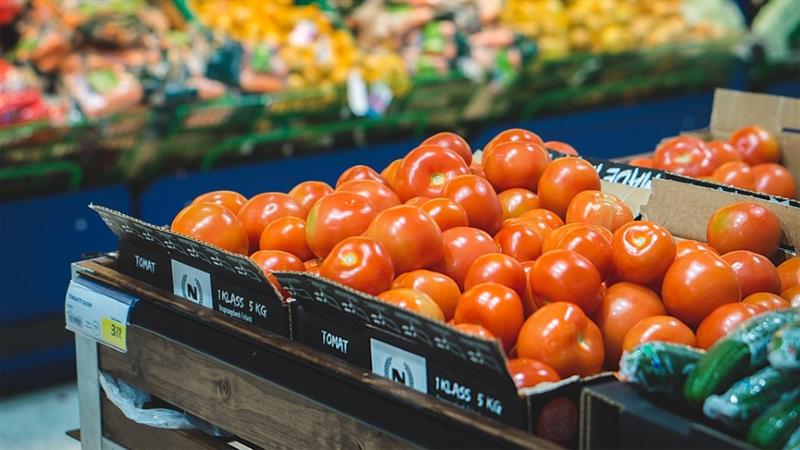
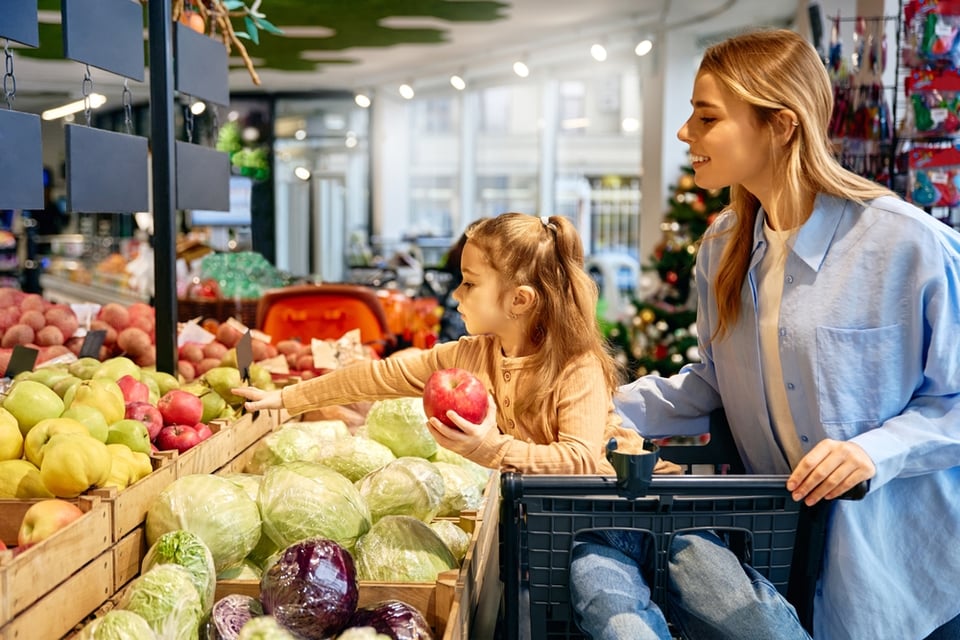
Provoke Insights’ Winter 2025/2026 Grocery Trends study shows U.S. shoppers are torn between their ideals and their budgets. Nearly half (47%) say locally grown produce is the top factor influencing their fresh purchases, with organic close behind. “Local” has broad pull, resonating with parents, Baby Boomers, rural consumers, and higher-income households alike. It signals freshness, trust, and a feel-good connection to the community.

Then reality kicks in. Price is the biggest barrier to buying produce, stated by 54% of shoppers. Short shelf life and seasonal availability add friction, particularly for higher-income consumers who expect quality but don’t want waste. Shoppers may aspire to load up on fresh fruits and vegetables, but cost and practicality often determine what actually makes it into the cart.

Across the store, consumers are selective about where they’ll spend more. They’re willing to pay a premium for products tied to high-quality ingredients, cleaner eating, and clear health benefits. Sustainability, while appreciated, rarely seals the deal on its own. If it doesn’t connect directly to personal well-being or tangible value, it becomes a secondary consideration.

Nearly one in four shoppers doubt claims like “sustainably sourced” or “no artifical flavors,” with Gen Z the most skeptical. Unclear labels and inconistent messaging are fueling suspicion and raising the bar for transparency.

The bottom line: shoppers want local, fresh, and healthy groceries, but they demand affordability, longevity, and proof. In a high-cost environment, produce has emotional appeal, but only values and credibility will keep it in the basket.

To learn more about what grocery shoppers are newly prioritizing when it comes to their produce read the full article here.

To learn more about other new grocery trends this Winter 2026, visit Provoke Insights’ latest industry research here.

Grocery Shoppers Are Rewriting the Rules of Healthy Eating
13 Feb 2026

1/30/2026

The grocery aisle has turned into a courtroom, and every product is on trial.

Across the country, shoppers are making sharper, more deliberate choices about what lands in their carts. Health is no longer a bonus; it’s the starting line. Protein leads the charge with 38% of Americans calling it the most influential health factor when buying food. Lowes sugar, fewer additionall additives, and whole ingredients are close behind. Consumers want food that feals real, energizing, and aligned with their well-being, not just cleverly marketed.

Parents are especially strategic, prioritizing low-sugar, organic, and low-sodium options. Higher income shoppers treat “no artifical additives” as a premium badge. Generations split in very different ways: Boomers focusing on cutting sugar and sodium, Millenials gravitate towards organic and natural foods, and Gen Z shows the most skepticism, often questioning the very claims brands rely on.

Even snacking reflects this shift. Indulgence isn’t gone, it’s been refined. High-protein snacks come out on top among health-minded shoppers, while reduced sugar matters more than going fully sugar-free. The same purposeful mindset appears in produce, where local, organic, and pesticide-free options build confidence.

Prices are rising, three quarters of Americans have noticed, and many are watching their budgets. Still, more than four in five say they’re willing to pay more for higher-quality ingrediets or products that clearly support their health goals. Shoppers are cutting back selectively, not lowering their standards.

Nearly one in four consumers doubt claims about artifical flavors and dyes, fueled by confusing labels and vargue messaging. In today’s supermarket, bold promises aren’t enough. Shoppers want clarity, proof, and a reason to believe.

To learn more about the new perspectives of your average Grocery Shopper read the full article here.

To dive into these new perspectives and qualitative research tools, visit Provoke Insights’ latest industry research and methodologies here.

When Grocery Shoppers Say One Thing but Buy Another
04 Feb 2026

19 Dec 2025

Provoke Insights’ latest thought leadership examines the growing gap between grocery shoppers’ clean eating intentions and their real world purchasing behavior.

Published in QRCA Views, research expert Carly Fink explores why what consumers say they want often does not align with what ends up in their carts. The article introduces an integrated qualitative research framework that helps brands better interpret these contradictions and understand decision making in context.

Drawing on real grocery shopping dynamics, the piece highlights how stated preferences for clean foods and transparent ingredient claims are frequently overridden by impulse, price sensitivity, convenience, and familiarity at the point of purchase. These competing priorities reveal why health focused intentions often break down in the moment.

Rather than relying solely on traditional surveys, the thought leadership emphasizes the importance of qualitative methodologies in uncovering the why behind consumer behavior. Approaches such as System 1 gut response techniques, ethnographic interviews, journey mapping, and projective exercises illuminate the emotional and situational drivers shaping grocery decisions in real time.

By examining grocery shopping within its true decision making context, the article shows how brands can better bridge the gap between attitudes and behaviors. Understanding the emotional trade offs shoppers make such as balancing health goals with family preferences, budget constraints, and time pressures can help brands build trust, enhance credibility around health and sustainability claims, and develop more effective packaging, messaging, and product innovation.

For deeper insight into decoding consumer contradictions in grocery shopping, read the full article here.

To explore more perspectives on grocery shopper psychology and qualitative research tools, visit Provoke Insights’ latest industry research and methodologies here.

How Market Research Explains Impulse Buying in Ecommerce
04 Feb 2026

17 Dec 2025

Shopify draws on Provoke Insight’s consumer market research to examine why impulse buying remains a powerful force in ecommerce. The article explores how unplanned purchases are shaped by emotion, convenience, and discovery, and how digital shopping environments are designed to encourage spontaneous decisions.

The consumer market research shows that impulse buying is less about lack of discipline and more about how shoppers respond to emotional cues, perceived value, and moments of frictionless convenience. Digital platforms that remove barriers and surface relevant products are especially effective at triggering impulse behavior.

Provoke Insights’ research highlights that emotional appeal plays a central role in impulse purchases. Shoppers are more likely to buy spontaneously when products feel rewarding, timely, or easy to justify.

Low-friction experiences amplify these decisions. Seamless navigation, fast checkout, and personalized recommendations reduce hesitation and make unplanned purchases feel effortless.

Discovery is another key driver. Visual merchandising, trending items, and complementary product suggestions create moments that prompt shoppers to act in the moment rather than delay decisions.

The takeaway is clear. Ecommerce brands that combine emotional appeal, ease of use, and trust-building signals are better positioned to capture impulse purchases without increasing buyer regret.

To learn more about how impulse buying tactics influence ecommerce performance, read the full article here.

Explore more Provoke Insights research and industry perspectives on retail decision-making here.

Why Effective Managers Shape Business Success and Workplace Culture
04 Feb 2026

7 Oct 2025
Published by Business Wire, new market research on business impact from Provoke Insights shows that manager effectiveness is a critical driver of business performance, employee engagement, and workplace culture.


The study, Cracking the Code on Manager Impact: Closing the Gap Between Perception and Performance, conducted with Insperity, surveyed 1,000 U.S. executives, managers, frontline employees, and HR professionals. It reveals a clear perception gap between leadership and employees: while nearly half of executives believe managers exceed expectations, only about one in five frontline employees agree.


According to market research on business impact, effective management is closely tied to business outcomes. Organizations with effective managers are twice as likely to report strong performance, and employees who rate their managers highly are far more likely to describe workplace culture as healthy and aligned with company values. However, heavy administrative demands, growing workloads, and limited leadership training continue to limit manager effectiveness.


The findings reinforce that strong managers are essential to both performance and culture. Companies that invest in manager development, clear communication, and employee empowerment are better positioned to drive long-term success.


For more insight into how manager effectiveness impacts business outcomes and workplace culture, read the full article here.

Explore more leadership and workforce research from Provoke Insights here.

When Contracts Go Unmanaged, Businesses Lose Value
03 Feb 2026

9 Jul 2025

Workday partnered with Provoke Insights to examine how inefficient contract management is impacting financial performance and operational efficiency. Drawing on findings from the Contract Intelligence Index Report, the article shows how unclear ownership, fragmented systems, and slow processes prevent organizations from capturing full contract value.

The contract management market research highlights that contract management is often treated as a legal function rather than a business asset. As a result, many employees lack visibility into contract terms, renewal dates, and obligations, leading to revenue loss and increased risk.

Provoke Insights conducted a national survey of U.S. business professionals across legal, finance, sales, procurement, and operations functions to assess how contracts are managed across organizations.

The findings reveal widespread confusion around contract ownership. The contract management market research revealed that many employees do not know who is responsible for managing contracts, limiting the ability to track performance, identify growth opportunities, or prevent costly auto-renewals.

Fragmented contract storage further compounds the problem. Contracts spread across email, shared drives, CRM systems, and desktops reduce visibility, slow decision-making, and increase compliance risk.

The takeaway is clear. Organizations that centralize contract data, clarify ownership, and streamline workflows are better positioned to reduce risk, unlock hidden value, and improve business agility.

For more insights on how unmanaged contracts affect financial performance and operational outcomes, read the full article here.

Want deeper insights into contract intelligence and business efficiency? Explore more research and thought leadership from Provoke Insights here.

How Consumers Are Changing Grocery Shopping in 2025
03 Feb 2026

18 Apr 2025

Progressive Grocer features new Provoke Insights grocery and produce market research showing how shoppers are reshaping grocery retail in 2025. Rising prices, changing routines, and digital expectations are giving consumers greater control over where and how they shop.

What is driving grocery shopper behavior in 2025?

Provoke Insights’ biannual study of 1,500 U.S. consumers finds grocery inflation is felt more acutely than in any other retail category, pushing shoppers to reassess value, loyalty, and purchasing habits.

How are shoppers responding to higher prices?

Consumers are turning to private label brands, buying in bulk, and shopping across multiple retailers. Weekly stock-up trips are giving way to more frequent, flexible shopping.

What role does technology play today?

Digital tools are now expected. Shoppers rely on apps, online ordering, and personalized promotions. Nearly four in ten say they would use AI tools to build lists and find deals, especially Gen Z, Millennials, and parents.

What do shoppers expect from retailers?

Better value, personalization, and convenience. Real-time inventory, reliable substitutions, and tailored recommendations are increasingly essential.

What does this mean for retailers and brands?

Retailers that adjust pricing, evolve loyalty programs, and invest in digital and AI capabilities are best positioned as shoppers take control of the grocery experience.

To learn more about how grocery and produce market research explains shopper behavior in 2025, read the full article here.

Explore more consumer and retail insights from Provoke Insights.

Skincare Shoppers Are Rethinking Trust
03 Feb 2026

9 Jul 2025

Happi partnered with Provoke Insights to examine how consumers decide which skincare products to buy as new sources of guidance emerge. Written by Provoke Insights founder Carly Fink, the article draws on national consumer research to explore how trust is shifting from traditional expert authority toward AI-enabled personalization.

The beauty and skincare market research shows that while dermatologists remain an important signal of product efficacy, they are no longer the sole influence on skincare decisions. Consumers increasingly expect fast, personalized, and explainable recommendations that help them navigate crowded product assortments.

Provoke Insights conducted a 15-minute online survey in March 2025 among 1,500 U.S. adults ages 21 to 65. The sample was nationally representative by age, gender, income, ethnicity, region, and parental status.

The findings reveal that AI plays a growing role in product discovery and evaluation. Shoppers are open to tools that simplify decision-making, tailor recommendations to individual skin needs, and clearly explain product benefits and ingredients.

Personalization has become a baseline expectation. Generic skincare messaging is losing relevance as consumers seek solutions that feel specific, credible, and easy to understand.

The takeaway is clear. Skincare brands that combine expert authority with AI-powered guidance are better positioned to build trust, influence purchase decisions, and drive long-term loyalty.


For more insight from the beauty and skincare market research on how brands can adapt to evolving consumer trust and decision-making, read the full article here.

Explore more brand, beauty, and consumer behavior research from Provoke Insights.

Furniture Shoppers Embrace AI
03 Feb 2026

Furniture Today partnered with Provoke Insights to examine how artificial intelligence is influencing furniture shopping. Based on findings from Provoke Insights’ Summer 2025 consumer research, the article shows that shoppers increasingly view AI as a useful tool for navigating complex purchase decisions.

The furniture market research finds that AI is valued when it simplifies discovery, improves confidence, and reduces decision fatigue in a high-consideration category.

According to the study, 65% of recent furniture buyers are interested in using AI during the shopping process, compared with 21% who are not. Interest is highest among younger shoppers, parents, and urban consumers.

Specific tools drive adoption. Forty-three percent of buyers find personalized product recommendations helpful, and the same share are comfortable using AI-powered chat tools. Visualization features, including 360-degree views and room planning tools, also support evaluation and comparison.

AI also supports brand discovery. More than one-third of shoppers say AI helps them shop faster and consider brands they had not previously explored.

The takeaway is clear. Furniture shoppers accept AI when it adds clarity and confidence. Brands that deploy AI to guide choice, not overwhelm it, are better positioned to influence purchase decisions and build trust.


For more details from the furniture market research on how AI influences buying behavior and what it means for retailers and brands, read the full article here.

Want deeper insights into retail technology adoption and consumer trend shifts? Explore more Provoke Insights research.

Sustainability and the Furniture Industry: What needs to be changed?
14 Nov 2025

In an age where “eco-friendly” labels dominate everything from skincare to sneakers, the furniture industry still hasn’t earned a seat at the sustainability table. A new survey from our 2026 Winter Trends study reveals a surprising disconnect: while shoppers care about the planet, they’re not convinced their couches or coffee tables are doing much to help it.

Furniture: The Underdog of Sustainability

When Americans were asked which industries lead in sustainable practices, furniture barely registered, only 3% chose it. Compare that with skincare, vitamins, and apparel (all over 12%), and the message is clear: consumers don’t see furniture as part of the movement to be more sustainable in every aspect of people’s lives.

Even more surprising? Furniture also ranked near the bottom of the “least sustainable” list. Though not considered the worst when it comes to sustainability, the industry seems stuck in an awkward middle ground: not sustainable enough, not unsustainable enough, just overlooked.

Eco-Conscious…But Price Conscious Too

Here’s the twist, people want to buy sustainable furniture.

  • 43% consider themselves environmentally conscious
  • 57% say they’d be likely to purcchase sustainable furniture

So what’s stopping them?

In one word: Price

More than half of consumers (55%) say cost is the biggest barrier, and 48% would buy sustainable furniture only if the price bump is small, while 30% say they wouldn’t pay extra at all.

Concerns about durability, availability, limited styles, and confusing sustainability claims also make shoppers hesitate.

Shoppers Want Values – And New Experiences

Environmentally conscious consumers are also adventurous. Among those who bought furniture in the past month, 43% prefer brands that support environmental causes, and 38% are more likely to try new brands before they go mainstream. That’s good news for new sustainable furniture startups trying to differentiate themselves.

What America Actually Bought This Year

The survey also revealed what furniture Americans bought in the last year:

  • 66% made a purchase
  • Purchases were even higher among parents, city residents, and Millennials
  • Top categories include mattresses, lighting, bedroom sets, storage cabinets, and sofas.

And when it comes to shopping habits? Shoppers lean more towards bargain hunting with 27% saying they buy mostly on sale, while only 17% usually pay full price.

The Bottom Line

The desire for sustainable furniture is real, but so are the obstacles. Until eco-friendly pieces become more affordable, more widely available, and more clearly marketed, the industry’s sustainability message may keep falling flat.

Still with more shoppers seeaking mission-driven brands and fresh styles, the opportunity is wide open. For furniture makers ready to innovate, the future could be a whole lot greener.

This study comes just as Provoke Insights launches its new Winter 2026 Trends Reports, offering new data across multiple industries, including furniture, fitness, beauty, and more.

Read Furniture Today’s Article by Joanne Friedrick: here

Provoke Insights and Insperity: B2B Thought Leadership
10 Oct 2025


Published by Business Wire, Provoke Insights partnered with HR powerhouse Insperity to conduct a national study examining managerial effectiveness and its impact on overall business performance. The findings reveal a striking disconnect between how executives, managers, and frontline employees perceive leadership performance and its influence on culture, retention, and results.

Based on a nationwide survey of 1,000 U.S employees conducted by Provoke Insights, containing the opinions of 300 frontline employees, 300 managers with direct reports, 200 executives, and 200 human resources professionals, the study, Cracking the Code on Manager Impact: Closing the Gap Between Perception and Performance, reveals that almost half of executives believe their bosses are doing an excellent job, but only one in five frontline employees agree. Even managers themselves aren’t as confident, with just 34% saying their performance exceeds expectations.

What’s Holding Managers Back?

The study identifies three key barriers preventing managers from reaching their full potential:

  1. Overwhelming Workloads: Competing demand makes it hard for managers to focus on being a strong leader that people look up to.
  2. Administrative Overload: When administrative tasks take up more than 20% of their time, the risk of burnout skyrockets.
  3. Lack of Preparation: Many first-time managers are promoted without proper training or leadership development.

The Payoff

When managers are set up for success, entire organizations benefit. The study found that:

  • Companies with high-performing managers are twice as likely to report overall business success.
  • Employees with exceptional managers are four times more likely to align with company goals.
  • Employees are also five times more likely to describe their workplace culture as healthy and thriving.

Strong managers don’t just oversee teams; they build alignment, foster culture, and create an atmosphere where everyone can excel.

How to Close the Gap

To bridge the divide between perception and performance, Insperity and Provoke Insights identified five key practices that drive strong leadership and better business outcomes:

  1. Communication: Create open communication between leaders and employees.
  2. Development: Invest in coaching, feedback, and ongoing learning.
  3. Empowerment: Provide clarity, resources, and trust to help employees lead their work.
  4. Recognition: Celebrate wins and acknowledge how each employee contributes meaningfully.
  5. Culture-Building: Foster an inclusive, values-driven workplace where employees feel connected, no matter their background.

Why it Matters

Overall, the message is clear: Managers are the backbone of business performance.

When companies invest in their development and remove unnecessary barriers, they unlock higher engagement, a stronger culture, and long-term success.

For a deeper look at the data, download the full report, Cracking the Code on Manager Impact: Closing the Gap Between Perception and Performance, here.

Boosting Urban Tourism: A City Case Study
05 May 2025

Reviving Urban Tourism Through Smart Strategy

Across the United States, cities are redefining how they attract visitors. As work patterns and lifestyles shift, traditional downtowns must adapt to remain vibrant. This case study focuses on Providence, Rhode Island, and how it successfully repositions itself to increase urban tourism using data-driven insights and community-focused branding.

Co-authored by Carly Fink of Provoke Insights and Kristen Adamo of the Providence Warwick Convention & Visitors Bureau, the article highlights a step-by-step approach to transforming city perceptions and encouraging regional travel. The goal is to bring energy back to the urban core by appealing to nearby suburban audiences.

Research Guides the Urban Tourism Campaign

The strategy begins with a comprehensive market research study targeting people who live within an hour of Providence. The findings reveal what encourages suburbanites to explore the city and what barriers hold them back. While many respondents are drawn to restaurants and events like WaterFire, concerns about parking and safety shape their decisions.

Using these insights, the team creates a campaign that personalizes the downtown experience. The initiative, called “Downtown is Your Town,” features real locals who share their favorite spots for dining, shopping, and entertainment. This storytelling approach makes the city feel more welcoming, relatable, and worth rediscovering.

Engaging Visitors and Inspiring Action

The campaign runs across multiple platforms, including digital ads, billboards, social media, and a refreshed website. Each element reinforces the message that Providence is a lively, accessible, and culturally rich destination. The effort also includes events that spark curiosity and drive foot traffic, particularly during key seasons.

The results are impressive. Website traffic rises by 3,000 percent. Social media engagement significantly outperforms industry benchmarks. Visitors respond positively to the refreshed city image, and local businesses benefit from the increased attention.

A Model for Urban Tourism Success

This case study offers valuable guidance for other cities aiming to grow their urban tourism footprint. It shows how research-backed branding and inclusive messaging can shift public perception and generate real economic impact. Whether you are a tourism leader, marketer, or city planner, the lessons from Providence demonstrate what is possible when a city listens to its audience and builds a brand around authentic urban experiences.

Read the full article here to explore how cities can strengthen urban tourism by connecting with local travelers and delivering a revitalized downtown experience.

Grocery Trends 2025: Shoppers Are Reshaping the Industry
23 Apr 2025


Shoppers Reshape the Grocery Experience

Provoke Insights’ recent feature in Progressive Grocer highlights major shifts in grocery shopping behaviors based on findings from the firm’s 2025 Trends Report. Consumers are no longer passive participants in the grocery aisle, as they are driving decisions across pricing, format, and technology. The grocery research, which surveyed 1,500 Americans, shows that inflation continues to influence purchase decisions, with many shoppers switching to private label and bulk-buying options to manage rising costs. Traditional brand loyalty is no longer a guarantee.

In addition, the article also reveals a major shift in how often consumers shop. Frequent, flexible grocery visits are now the norm, fueled by remote work and changing household needs. These habits require retailers to think beyond the traditional weekly promotion model and offer convenience-driven solutions that reward repeat engagement.

Digital Behavior and AI Tools Are Changing Expectations

The grocery trends data reveals that online grocery shopping is now a popular option. Some consumers prefer Amazon. Others choose Instacart or their local supermarket’s app. Preferences vary by income and location. That means digital strategy must be tailored.

In addition, AI is becoming more popular. Nearly 40 percent of shoppers want smart tools to manage lists, suggest items, and find deals. Gen Z and parents are especially eager. Clearly, shoppers want tech that saves time and adds value.

What Retailers Should Do Next

These shifts in grocery shopping behavior are more than temporary. They reflect deeper, lasting changes. Therefore, grocery brands must act now. Retailers that use grocery research to understand these changes will stay ahead.

The article in Progressive Grocer makes one thing clear. Data must guide every decision. From private label growth to AI adoption, market research is essential.

To access the full 2025 Trends Report click here. If you would like to launch a custom grocery market study, contact Provoke Insights.