Geographic Brand Loyalty: How Location Impacts Sales
13 Aug 2026

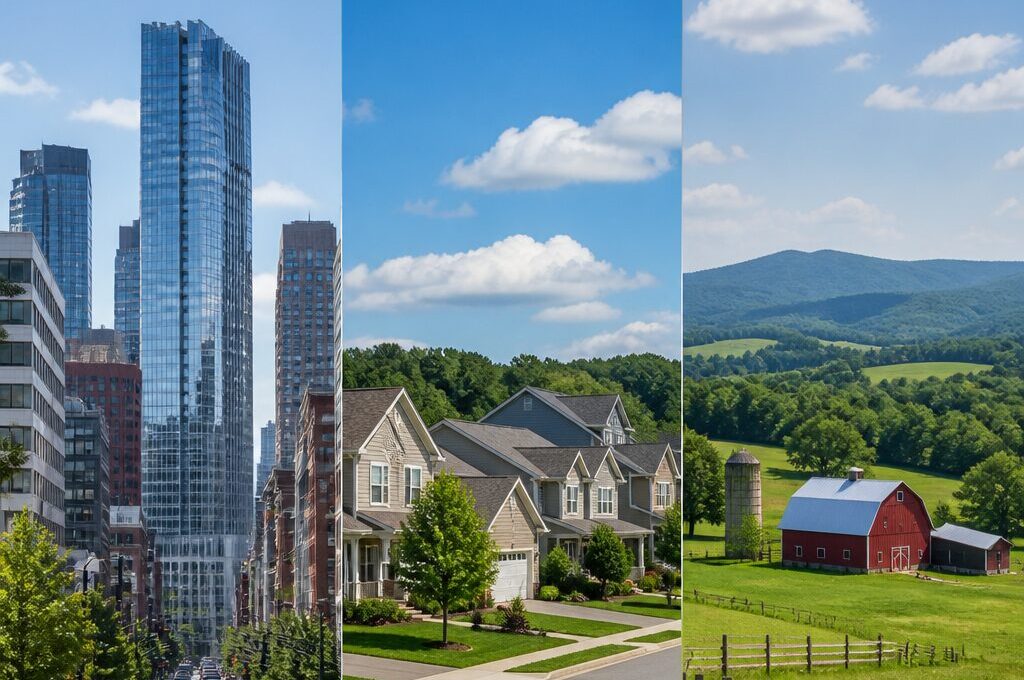
Where consumers live shapes how they shop and spend. Building geographic brand loyalty requires understanding regional habits. While urban, suburban, and rural consumers share economic concerns, Provoke Insights’ research reveals distinct purchasing behaviors.

Understanding these regional differences can help brands better connect with consumers and strengthen long-term customer relationships.

Purchasing Habits Shape Geographic Brand Loyalty

Purchasing habits vary by where consumers live. Urban consumers shop actively across apparel, beauty, electronics, and travel. Suburban consumers focus on vitamins, skincare, and home improvement. Conversely, rural consumers report lower purchase activity overall.

Economic outlook also varies by geography. More than half of suburban consumers (52%) report currently saving money, compared with 49% of urban consumers and 38% of rural consumers. Rural consumers are also the most likely to report living paycheck to paycheck (47%) and are less optimistic about their future financial stability.

Quality Drives Customer Retention Across Regions

Despite these differences, consumers across all regions agree on what matters most. Quality remains the foundation of geographic brand loyalty among urban (52%), suburban (51%), and rural (45%) consumers. Value and positive experiences follow closely behind. These findings reinforce that consistently delivering quality remains the foundation of long-term customer loyalty.

Trusted Brands Simplify Regional Choices

When consumers feel overwhelmed by product choices, they consistently turn to familiar brands and customer reviews for guidance. Recognized brands help consumers navigate choice overload across all regions. Customer reviews rank as the second choice for urban, suburban, and rural shoppers alike. The research also finds that urban consumers are more influenced by advertising and promotions, while rural consumers place greater emphasis on visual appeal.

What This Means for Geographic Brand Loyalty

While purchasing habits and financial confidence differ across urban, suburban, and rural consumers, the path to building loyalty remains consistent. Consumers expect quality, rely on trusted brands when making purchase decisions, and reward companies that consistently meet their expectations. Brands that tailor their strategies to regional shopping behaviors while maintaining a strong commitment to quality will be best positioned to earn lasting customer loyalty.

Methodology

Provoke Insights conducted a 15-minute online survey among 1,500 Americans aged 21 to 65 in March 2026. We used a stratified random sample methodology to ensure representation across demographic groups. We conducted statistical testing at a 95% confidence level, with a margin of error of ±2.5%.

Interested in regional marketing strategies? Read our city case study on boosting urban tourism.

FAQs

How does geography influence consumer shopping behavior?
Urban, suburban, and rural consumers have distinct purchasing habits and levels of financial confidence, making geography an important factor in understanding consumer behavior.

What drives brand loyalty across different regions?
Quality is the leading loyalty driver across urban (52%), suburban (51%), and rural (45%) consumers, followed by value and positive experiences.

How can market research help brands understand regional consumers?
Geographic market research helps brands identify differences in shopping habits, financial outlook, and purchase influences to develop more effective regional marketing strategies.
Apparel Brand Loyalty: 2026 Consumer Research & Trends
13 Aug 2026

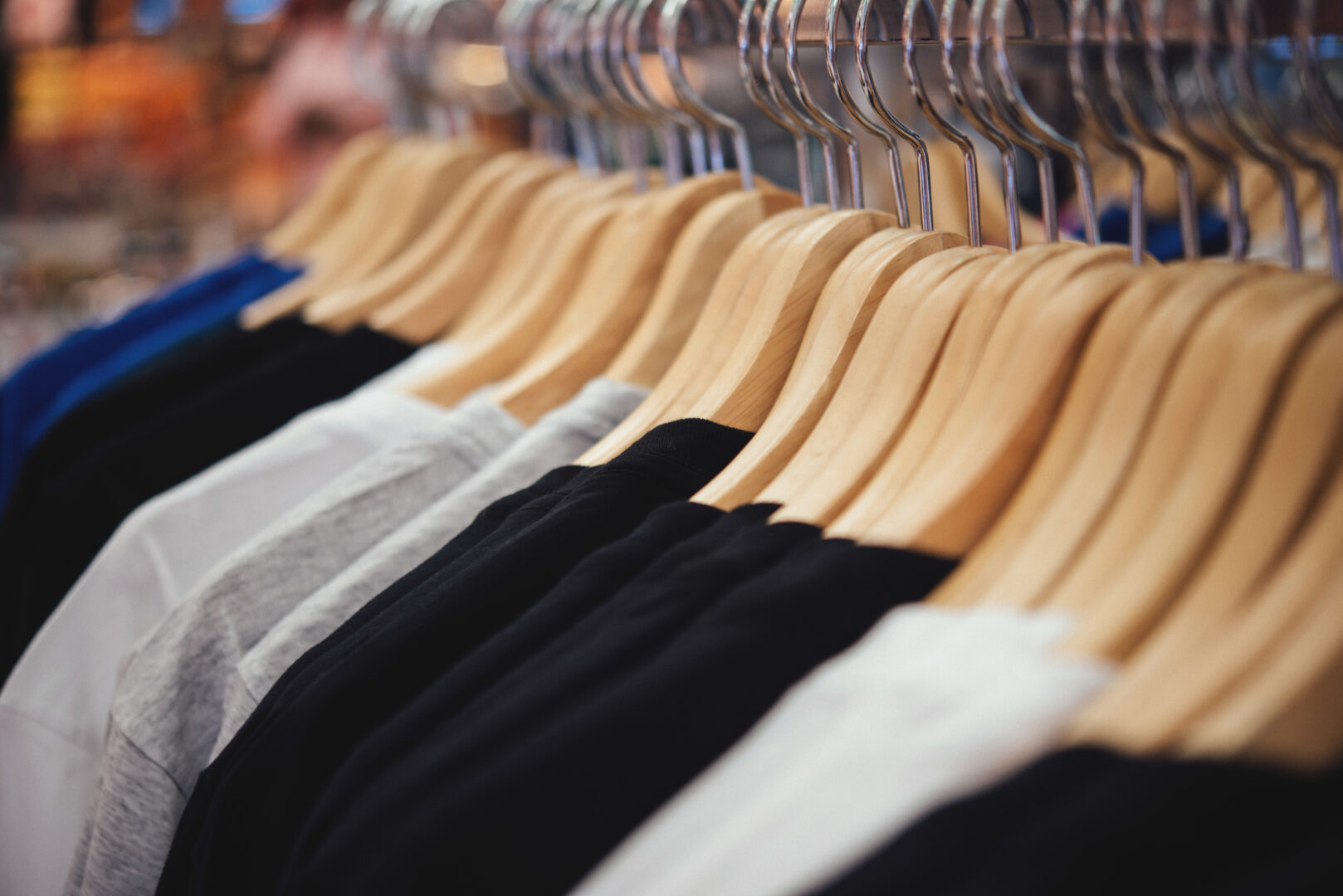
Despite ongoing concerns about inflation, the economy, and personal finances, apparel continues to be one of the most resilient consumer categories. While Americans continue to feel financial pressure, clothing purchases have remained remarkably consistent, reinforcing the essential role apparel plays in everyday life. Provoke Insights’ 2026 research shows that building strong apparel brand loyalty remains essential. While inflation affects spending, clothing shoppers stay engaged and loyal in a crowded marketplace.

Apparel Demand Remains Strong

Nearly six in ten Americans (58%) purchased clothing in the past month. Participation reaches even higher rates among parents (68%), higher-income households (67%), Millennials (62%), and women (62%).

Understanding apparel customer retention also means looking at daily habits. Unlike many discretionary purchases, clothing connects directly to daily activities and life events. Consumers continue to purchase clothing for work, exercise, travel, dining out, and social occasions. Among apparel purchasers, 50% exercised outdoors in the past month, 32% went to the gym and dined out, and 25% traveled domestically, reinforcing apparel’s connection to everyday activities and experiences.

Quality Drives Apparel Brand Loyalty

Among all categories measured, apparel ranks highest on Provoke Insights’ Brand Loyalty Index, earning a score of +20, well ahead of electronics (+11), beauty (+7), and hotels (-7). Consumers are more loyal to apparel brands than to any other category studied.

However, apparel brand loyalty depends heavily on product standards. Among recent buyers, 53% rank quality as their top loyalty driver. Value (29%), positive experiences (29%), and trust (22%) follow. Conversely, 49% cite declining quality as the main reason to abandon a brand, compared with 32% who point to price increases.

For apparel brands, the takeaway is straightforward: loyalty depends on consistently delivering quality products.

Choice Overload Impacts Apparel Brand Loyalty

Apparel is also one of the most crowded shopping categories. Thirty-five percent of apparel shoppers identify clothing as one of the categories where they feel most overwhelmed by the number of choices, trailing only beauty, skincare, and vitamins.

When shoppers feel overwhelmed, they primarily turn to recognized brands (51%) and customer reviews (44%) to simplify the process. Visual appeal also plays a role (26%), while comparatively few shoppers rely on AI assistants (13%) or independent reviews (12%). This reinforces the importance of strong brand equity and positive customer feedback in a crowded retail environment.

What This Means for Apparel Customer Retention

Apparel continues to be a resilient category despite ongoing economic pressures. Consumers remain active purchasers and demonstrate stronger loyalty to apparel brands than to any other category.

However, maintaining that loyalty requires consistent quality and positive customer experiences. Brands that invest in product excellence, maintain consumer trust, and build strong reputations through customer reviews will be best positioned to stand out in a competitive marketplace.

Methodology

Provoke Insights surveyed 1,500 Americans in March 2026 to evaluate apparel brand loyalty.” A stratified random sample methodology was used to ensure representation across key demographic groups, including age, gender, household income, geography, ethnicity, and presence of children in the household. Statistical testing was conducted at a 95% confidence level, with a margin of error of ±2.5%.

FAQs

What consumer trends are shaping apparel brand loyalty in 2026?
Apparel remains a resilient category, with 58% of Americans purchasing clothing in the past month despite ongoing economic pressures.

What drives apparel brand loyalty?
Quality is the leading driver, with 53% of recent apparel buyers ranking it as their top reason for staying loyal to a brand.

How does choice overload affect apparel shoppers?
Thirty-five percent of apparel shoppers feel overwhelmed by the number of clothing choices, leading many to rely on recognized brands and customer reviews when making purchase decisions.