
Clean Skincare: What the New Ingredient-Aware Consumer Wants Next
13 Feb 2026

2/11/2026

Skincare is no longer just a routine, it’s a values statement.

Clean beauty has transformed from a trend to the basic baseline. Provoke Insights’ latest study of 1,500 U.S. consumers shows that shoppers today demand that products are safe, effective, and aligned with their personal values. Health, wellness, and transparency aren’t marketing fluff anymore, they’re thre rules of the game.

Skincare is universal: 92% of Americans use products like sunscreen or moisturizer, and nearly half bought something in the past month. For women, higher-income shoppers, Asian Americans, and Gen X, it’s more than self-care, it’s a daily ritual that combines wellness and self-expression. Clean skincare fits perfectly into this lifestyle, appealing to those who are health-conscious, environmentally aware, and intentional about their choices.

The ingredient list has become a deal breaker. 60% of users almost always read it before buying, and two-thirds say clean labeling matters. Consumers are actively avoiding harmful chemicals and seeking formulas that protect sensitive skin. “Clean” isn’t a buzzword, it’s a standard shoppers understand and expect brands to meet.

And they’ll pay for it. 84% of Americans say they’ll spend more time on clean skincare, and one in four will do so regardless of price increases. Clean beauty has become a modern luxury, one justified by safety, transparency, and alignment with personal values. Recognizable proof points, like vitamins C and E, dermatologist-tested or hypoallergenic claims, and naturl oils like coconut or jojoba, act as instant trust signals.

The takeaway is clear: today’s clean skincare shopper isn’t buying promises. They’re buying proof and rewarding brands that deliver it.

To learn more about clean skincare and what buyers expect read the full article here.

To explore more Winter Skincare Trends of 2026 visit Provoke Insights’ latest indsutry research and qualitative tools here.
Grocery Shoppers Priortize Local, Freshness, and Health
13 Feb 2026

2/5/26

Fresh produce is winning hearts but losing arguments at the register.

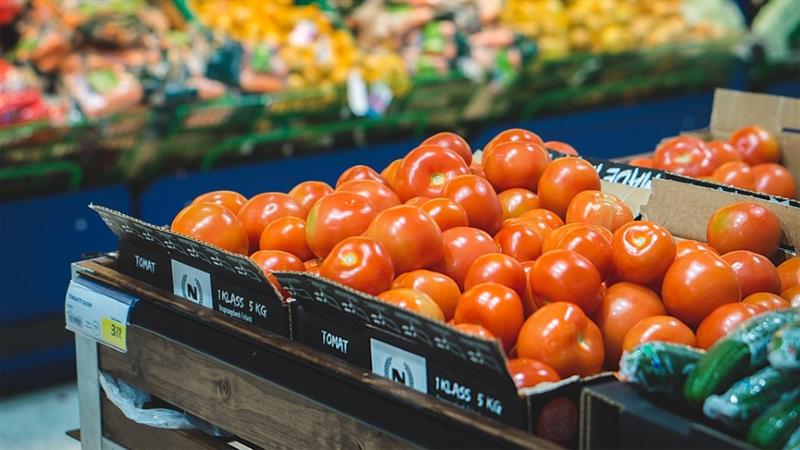
Provoke Insights’ Winter 2025/2026 Grocery Trends study shows U.S. shoppers are torn between their ideals and their budgets. Nearly half (47%) say locally grown produce is the top factor influencing their fresh purchases, with organic close behind. “Local” has broad pull, resonating with parents, Baby Boomers, rural consumers, and higher-income households alike. It signals freshness, trust, and a feel-good connection to the community.

Then reality kicks in. Price is the biggest barrier to buying produce, stated by 54% of shoppers. Short shelf life and seasonal availability add friction, particularly for higher-income consumers who expect quality but don’t want waste. Shoppers may aspire to load up on fresh fruits and vegetables, but cost and practicality often determine what actually makes it into the cart.

Across the store, consumers are selective about where they’ll spend more. They’re willing to pay a premium for products tied to high-quality ingredients, cleaner eating, and clear health benefits. Sustainability, while appreciated, rarely seals the deal on its own. If it doesn’t connect directly to personal well-being or tangible value, it becomes a secondary consideration.

Nearly one in four shoppers doubt claims like “sustainably sourced” or “no artifical flavors,” with Gen Z the most skeptical. Unclear labels and inconistent messaging are fueling suspicion and raising the bar for transparency.

The bottom line: shoppers want local, fresh, and healthy groceries, but they demand affordability, longevity, and proof. In a high-cost environment, produce has emotional appeal, but only values and credibility will keep it in the basket.

To learn more about what grocery shoppers are newly prioritizing when it comes to their produce read the full article here.

To learn more about other new grocery trends this Winter 2026, visit Provoke Insights’ latest industry research here.

Grocery Shoppers Are Rewriting the Rules of Healthy Eating
13 Feb 2026

1/30/2026

The grocery aisle has turned into a courtroom, and every product is on trial.

Across the country, shoppers are making sharper, more deliberate choices about what lands in their carts. Health is no longer a bonus; it’s the starting line. Protein leads the charge with 38% of Americans calling it the most influential health factor when buying food. Lowes sugar, fewer additionall additives, and whole ingredients are close behind. Consumers want food that feals real, energizing, and aligned with their well-being, not just cleverly marketed.

Parents are especially strategic, prioritizing low-sugar, organic, and low-sodium options. Higher income shoppers treat “no artifical additives” as a premium badge. Generations split in very different ways: Boomers focusing on cutting sugar and sodium, Millenials gravitate towards organic and natural foods, and Gen Z shows the most skepticism, often questioning the very claims brands rely on.

Even snacking reflects this shift. Indulgence isn’t gone, it’s been refined. High-protein snacks come out on top among health-minded shoppers, while reduced sugar matters more than going fully sugar-free. The same purposeful mindset appears in produce, where local, organic, and pesticide-free options build confidence.

Prices are rising, three quarters of Americans have noticed, and many are watching their budgets. Still, more than four in five say they’re willing to pay more for higher-quality ingrediets or products that clearly support their health goals. Shoppers are cutting back selectively, not lowering their standards.

Nearly one in four consumers doubt claims about artifical flavors and dyes, fueled by confusing labels and vargue messaging. In today’s supermarket, bold promises aren’t enough. Shoppers want clarity, proof, and a reason to believe.

To learn more about the new perspectives of your average Grocery Shopper read the full article here.

To dive into these new perspectives and qualitative research tools, visit Provoke Insights’ latest industry research and methodologies here.