When Grocery Shoppers Say One Thing but Buy Another
19 Dec 2025
Provoke Insights’ latest thought leadership examines the growing gap between grocery shoppers’ clean eating intentions and their real world purchasing behavior.
Published in QRCA Views, research expert Carly Fink explores why what consumers say they want often does not align with what ends up in their carts. The article introduces an integrated qualitative research framework that helps brands better interpret these contradictions and understand decision making in context.
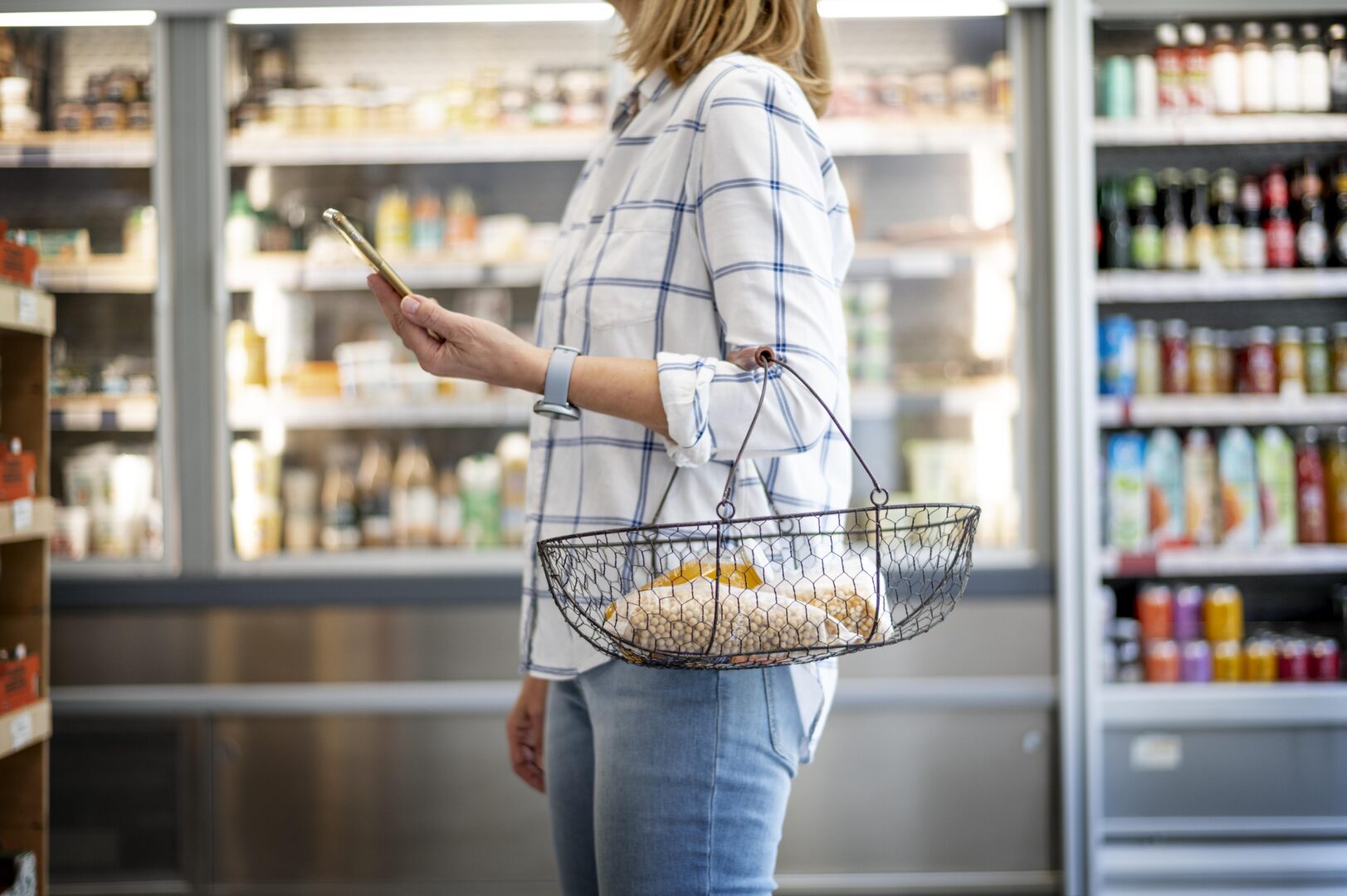
Drawing on real grocery shopping dynamics, the piece highlights how stated preferences for clean foods and transparent ingredient claims are frequently overridden by impulse, price sensitivity, convenience, and familiarity at the point of purchase. These competing priorities reveal why health focused intentions often break down in the moment.
Rather than relying solely on traditional surveys, the thought leadership emphasizes the importance of qualitative methodologies in uncovering the why behind consumer behavior. Approaches such as System 1 gut response techniques, ethnographic interviews, journey mapping, and projective exercises illuminate the emotional and situational drivers shaping grocery decisions in real time.
By examining grocery shopping within its true decision making context, the article shows how brands can better bridge the gap between attitudes and behaviors. Understanding the emotional trade offs shoppers make such as balancing health goals with family preferences, budget constraints, and time pressures can help brands build trust, enhance credibility around health and sustainability claims, and develop more effective packaging, messaging, and product innovation.
For deeper insight into decoding consumer contradictions in grocery shopping, read the full article here.
To explore more perspectives on grocery shopper psychology and qualitative research tools, visit Provoke Insights’ latest industry research and methodologies here.