Marketing Strategy for a Major National Fitness Club
23 Jul 2020

Background

An American chain of gyms in over 100 locations in 14 states approached Provoke Insights to consult on the marketing strategy for the fitness club. Our agency was created by advertising strategists who also have a strong background in market research, making Provoke Insights a fit for these marketing initiatives. The session led to the development of a creative brief and a strategy deck used to help launch its new advertising multi-channel campaign. 

Marketing Problem

The health club’s past marketing initiatives placed emphasis on price. Focusing primarily on price made it difficult for the company to stand out in a saturated marketplace. Price is a functional, unique selling proposition. As a result, many other gyms used the same fundamental message leading to a pricing war. Gyms kept on lowering their price to stay competitive. As a result, “low cost” is not a sustainable branding solution long-term. More so, fitness clubs were now competing against new types of working out from the popularization of Classpass to gyms that specialize in only one activity (e.g., spinning, pilates).

The fitness center needed to stand out from the crowd. As the company was looking to expand its footprint and its core offering, it needed to find a more emotional brand differentiator. 

The health club commissioned an advertising agency to launch an up-to-date 360-degree marketing strategy campaign. The new campaign’s goal was to increase awareness of the company and differentiate from the competition without invoking price. However, moving beyond a price play caused issues with stakeholders within the company, who did not align with other brand differentiators. 

Furthermore, Several stakeholders held contrasting views, and the advertising agency had difficulty gathering all parties to discuss the path forward. A consensus was needed to move forward with a marketing strategy plan. Thus, Provoke Insights was welcomed to moderate a session with key stakeholders, gain alignment of viewpoints, and develop the strategy.

Market Research Solution

Provoke Insights used the following model for the workshop: 

  1. Review all background information including past advertising analytics, creative, research, and overall industry trends
  2. Create a marketing strategy report/deck and exercises to keep the session focused (keep the conversation on track and not going off tangent)
  3. Professional moderated the meeting – the key is to ask the right questions, probe when necessary, listen aggressively, and stay on track
  4. Develop a marketing strategy report and a creative brief from the background data and the in-person session. 

An experienced moderator led a half-day strategy brainstorming session. The following information about the brand was assessed to find its unique identity:

  • Self-identity
    • Who are you?
    • What makes you distinct?
    • Why are you relevant?
  • Audience
    • Who uses your service?
    • How does the brand make them feel?
    • Are they satisfied?
  • Communicate
    • Are prospects and customers hearing what you want them to?
    • Is your brand recognizable?  
  • Perceived
    • What is working?
    • What is not working?
    • Are expectations met? 

Results of Marketing Strategy Session

The moderated session allowed the stakeholders to voice their opinions in an organized and constructive manner. Looking at the brand regarding self-identity, audience, communication, and perceptions allowed leadership to look beyond a conversation about price and assess what a real brand differentiator is. 

As a result, the company aligned on a new marketing strategy for the fitness club, and the advertising agency developed a full campaign against the plan that Provoke Insights developed.

Checkout some of our other case studies here:

  1. Brand Strategy Research for a Rental Truck Company
  2. Content Marketing Research for Tech Companies: A Case Study
  3. Sunpower: An NPS and Competitive Assessment Study
  4. Jewelers of America: Mixed Methodology Market Research Study
  5. USPS: A Thought-Leadership Research Case Study

IF YOU WANT TO, SIGN UP FOR OUR NEWSLETTERS HERE!

and finally, Follow our social media accounts:

Twitter: https://twitter.com/provokeinsights

Facebook: https://www.facebook.com/provokeinsights/

LinkedIn: https://www.linkedin.com/company/provoke-insights

The Best ROI is Research for Content Marketing
21 Jul 2020

Research for Content Marketing

It is difficult for a brand to stand out from the competition in today’s saturated media environment. Many brands, especially B2B, also want to be seen as a thought-leader in their industry. Original content marketing research is a way for brands to generate awareness and position your brand as a differentiator – this ultimately leads to higher brand engagement. 

Why Content Marketing Research? 

The real value of content marketing research is that your target audience engages deeper with your brand. It can improve awareness, engagement, search rankings, and ultimately conversion. 

As there is so much clutter online, the challenge is producing content that isn’t redundant and unoriginal. Brands are competing in a crowded marketplace. There are 54.2 million blog posts written monthly just on WordPress alone, 350 million photos are shared on Facebook daily, and over a million podcasts (30+ million episodes). As a result, brands must generate new, compelling information, which draws the audience’s attention to want more.  

It’s not just other companies competing for the consumer’s attention, but consumers themselves: social media is filled with posts about their latest vacations, baby pictures, restaurant reviews, and more. This is where market research plays an essential role in the content marketing revolution.

Market research studies bring novel, thought-provoking ideas to a comprehensive content marketing initiative. They provide new and original information, keeping the reader’s attention. One research study can be broken up into several content marketing stories and spread across various media channels (e.g., web, emails, news, podcasts, infographics, videos).

By leveraging market research to provide content that your target audience wants to engage with, your company can make it’s content marketing initiatives work significantly better. 

Research for Content Marketing Method

If you decide to conduct research for content marketing, you should follow the following steps:

  1. Assess the Landscape

Research potential topics beforehand; this is a crucial component to the success of a content marketing research initiative. Discover trending topics that have high engagement. Also, determine and steer clear of overused topics. Pouring over available research can spark unique ideas or new perspectives on a subject.

  1. Develop Headlines to Craft the Questionnaire

Headlines need to excite and interest readers. Focus on the topics discovered during the secondary research process. These headlines can be geared to cover issues that have yet to be addressed. This guarantees a fuller, more exciting picture of your industry. When developing headlines, keep SEO in mind for the best results. 

  1. Write Multiple Stories

Once the survey is closed, and the data is collected, you can create more than one story from the research. That means developing a series of mini-decks for each topic. Storytelling is an art form. It is crucial to keep your audience engaged. Many times, researchers are hyper-focused on the details of the numbers as opposed to the big story. It is essential to write the research report in a way that makes the readers want more.

  1. Leverage Research for the Highest Awareness & Engagement

Even before the research is completed, it’s important to determine multiple channels to help get the stories out. It is vital to discuss a plan where the study can also be leveraged for all media.

Multiple Media Channels

Content marketing research provides a plethora of opportunities to repurpose the information for multiple channels, including:

  • Podcasts
  • Blog entries
  • Infographics
  • Newsletters
  • Direct mail/email
  • Social media posts
  • Online ads
  • SEO/SEM
  • Sales collateral

The Metrics & ROI Are Proven

  • 7X higher article engagement (Readership)
  • 6X more engagement on social media (Shares/Likes/Reposts)
  • 13X more viewership on social media
  • 43% increase in website visits
  • 15% increase in new leads from a website providing contact information to get more information.

If your company is interested in content marketing research, please reach out to [email protected], and we will be happy to schedule a call to discuss the research objectives with you.

In addition, check out Provoke Insights research services here.

Read some of our latest blogs here:

  1. Content Marketing Research for Tech Companies
  2. The Pros and Cons of Survey Research
  3. The Pros and Cons of Online Focus Groups
IF YOU WANT TO, SIGN UP FOR OUR NEWSLETTERS HERE!

and finally, follow our social media accounts:

Twitter: https://twitter.com/provokeinsights

Facebook: https://www.facebook.com/provokeinsights/

LinkedIn: https://www.linkedin.com/company/provoke-insights


Annual Ad Testing Campaign for OTC Drug Company
16 Jul 2020

Marketing Problem

TV and online commercials are popular ways to increase brand awareness, equity, consideration, and usage. One of the most popular laxative brands uses this advertising tactic to maintain its strength in the US market. As a result, every year, the brand refreshes its advertising. 

The laxative brand advertising agency often comes up with multiple commercials to test. As a result, the companies commission Provoke Insights every year to determine which campaign idea resonates with its core target audience. 

By testing the ad concepts before producing the commercials, the laxative brand can select the idea that will be most successful. It also allows the agency to enhance the commercial before final production. 

Subsequently, the ad agency produced video storyboards in order to test the commercials before production. 

Market Research Solution

Provoke Insights conducted an online ad testing survey among those who suffer constipation. Respondents see one video (at random) using a monadic test. Monadic ad tests prevent bias because respondents only see one concept at a time. That way, the other concept ideas will not influence their opinions. 

The test included the following:

  1. Video of the commercial;
  2. A question on unaided brand recall;
  3. An open-end explanation of the commercial’s central message;
  4. An assessment of the video against a list of traits (likelihood to purchase, innovative, etc.). During the analysis, we compared traits to overall and OTC industry norms. 
  5. The survey showed the commercial a second time, and respondents use an in-house video sentiment tool. The interactive tool allowed respondents to click on parts of the ad they liked or disliked, allowing for real-time feedback.

Also recommended by Provoke Insights was the MaxDiff technique to test messaging used to interest the OTC to consumers. Max Diff is used to understand which attributes influence the purchase decision. The Max Diff is a great option compared to a standard rating scale, which often leads one to believe that every claim is essential. This questioning forces respondents to choose between statements, resulting in a more robust data set.

The survey randomly presents five attributes at a time to respondents, who then rate each one. Then, once all of the responses are collected, the analysis predicts each possible combination’s response. This gives an exact amount that an attribute leads to sales, and how much more valuable they are than the other qualities.

Results of the Research

The annual research study was fielded every year before the launch. Each time Provoke Insights conducted the study, a clear winner emerged as the right campaign to launch. Each video, including the winner, had feedback and comments so that the videos could be improved.

One year, an ad tested exceptionally negatively. The majority of respondents did not like the ad and found it offensive. The OTC brand did not move forward with the commercial and avoided hurting their brand equity. 

The MaxDiff feature gave a ranked list of 20 attributes. The search allowed for the ad agency to decide on the most resonant message among their target audience.

Checkout some of our other case studies here:

  1. Brand Strategy Research for a Rental Truck Company
  2. Content Marketing Research for Tech Companies: A Case Study
  3. Sunpower: An NPS and Competitive Assessment Study
  4. Jewelers of America: Mixed Methodology Market Research Study
  5. USPS: A Thought-Leadership Research Case Study

IF YOU WANT TO, SIGN UP FOR OUR NEWSLETTERS HERE!

and finally, Follow our social media accounts:

Twitter: https://twitter.com/provokeinsights

Facebook: https://www.facebook.com/provokeinsights/

LinkedIn: https://www.linkedin.com/company/provoke-insights

The Pros and Cons of Online Survey Research
13 Jul 2020

When referring to market research, online survey research is often the first methodology that comes to mind. Survey research is compelling and dynamic if executed correctly. Like all research methods, it has its advantages and disadvantages. 

Pros

Timely

Companies often realize that they need research too late. They usually require the findings at the moment that they conclude that market research is the only way to get the insights they need. This immediacy leaves researchers in a conundrum. Research projects can take time to kickoff, set up, put in the field, analyze findings, and write a detailed report. So, anywhere that you can make up time is valued. 

Survey research takes less time to execute. The survey goes into the field and will collect responses quite quickly. Unlike focus groups that need about three weeks of recruitment time and then hours of moderation with groups plus travel time, survey field time is significantly shorter.

Results Representative of the Population

While qualitative research is directional, survey research provides a representative look at the population you are interested in analyzing. On the back end of the survey, it is possible to implement quotas to ensure that the sample represents the demographic makeup that you are interested in (e.g., age, gender, household income, region, etc.). The quotas help you project conclusions about the greater population you are looking at. 

Cost-Effective

Incentivizing research participants is a large portion of the cost involved. The value of the incentive is dependent on the type of research you are asking people to participate in. If you ask participants to travel to a facility to take part in a two-hour-long focus group on a specific topic, the incentives typically start at $75 and go up as high as $500 for B2B specialists. 

That is big money – they are time-consuming and taxing. However, if you ask people to take part in a 10-minute online survey (from the comfort of their own home), the incentive will be much lower.  

No Borders

Survey research makes it easy to reach “hard-to-reach” audiences. As long as the participants have an internet connection, they can participate in the study. It allows participants to get involved despite being unable to travel or to avoid travel by the client.

Diverse

Having a larger sample size allows for more varied analyses. With a dataset from online survey research, it is possible to conduct advanced analytics to understand the drivers and correlations that may answer the research objectives. 

Quality

While some question the quality of survey research, it is the easiest to control. At Provoke Insights, we include red herring questions to flag those who do not pay attention to the survey. We also include an open-ended question at the beginning of the questionnaire to remove participants who might give nonsense answers. We will monitor the study to ensure that the participants do not provide all ‘straight-line’ responses or patterning their choices. Finally, we will track how quickly the participant responds, and if they answer too fast (not enough time to read the question) – they will be excluded from the findings. 

Cons

Lack of Probing

In qualitative research, you can ask the “why’s” or modify the guide in real-time. While you can include open-ended questions as a follow up to a survey question, it still has its limitations. The amount of open-ends you can include in a survey is limited. No one is going to fill out 20 open-ended questions in a study. They would stop participating or write very short responses.

In qualitative research, you can follow up and dive deeper into the answers given to get to the bottom line of the question you are seeking to answer. 

Engage Participants For Short Time

It is not easy to keep research participants engaged in an online survey that is longer than 15 minutes. Therefore, most survey methodologies will limit the length of the study to 10 to 15 minutes. This time limit ensures that participants are engaged and answering the survey thoughtfully throughout. However, this limits the number of questions is it possible to ask and the depth of the findings. 

Local or Very Specific Audiences

Online recruitment can be difficult if you are looking for a tiny geographical area or if your audience is extraordinarily specialized or senior business leaders (e.g., business leaders of large retail companies in Austin). In that case, the methodology may need to move to the phone or in-person. 

If your company is interested in content marketing research, please reach out to [email protected], and we will be happy to schedule a call to discuss the research objectives with you.

In addition, check out Provoke Insights research services here.

Read some of our blogs from this series here:

  1. The Pros and Cons of Online Focus Groups
  2. The Pros and Cons of In-Depth Interviews

IF YOU WANT TO, SIGN UP FOR OUR NEWSLETTERS HERE!

and finally, follow our social media accounts:

Twitter: https://twitter.com/provokeinsights

Facebook: https://www.facebook.com/provokeinsights/

LinkedIn: https://www.linkedin.com/company/provoke-insights

Brand Strategy Research for a Rental Truck Company
10 Jul 2020

Marketing Problem

A top American rental truck company (with hundreds of locations throughout North America) was looking to separate itself from the competition and understand the drivers of brand consideration. Specifically, the B2B company was looking to see how to increase the number of customers and the frequency of rentals. In particular, the goal was to grab market share from the competition and increase and those using more than one rental company. Subsequently, Provoke Insights was commissioned to develop a two-phase market research plan. 

Market Research Solution
1. In-depth Interviews Among Fleet Decision-Makers 

The research evaluated the target audience’s attitudes and perceptions of the rental process. To clarify, these interviews also aimed to uncover which elements drove a rental company’s selection and the difference between prospects, current customers, lapsed customers, and dual rental company users. 

2. Quantitative Research among Fleet Decision-Makers 

The survey phase utilized the in-depth interview findings to develop a questionnaire that evaluated the truck rental process regarding expectations, awareness, consideration, satisfaction, and needs.

As a result, a max diff technique was used to understand which attributes are most influential to the buying process. In short, the Max Diff is an alternative to a standard rating scale that often leads you to believe every claim is essential. Especially, this questioning forces respondents to make choices between attributes, which results in a more robust data set.

For example, with 20 attributes selected, there is a possibility of 3.2 million combinations. The analysis predicts what the response will be for each possible combination. The research ultimately tells you the exact amount an attribute influences sales. 

Results of the Research

Provoke Insights garnered insights to develop a brand strategy based on the research results. The plan guided the development of a full multi-channel advertising campaign. The rental truck company was able to create a campaign based off of learning the following information: 

  • The brand’s unique selling proposition;
  • Identification of key drivers to increase the number of rentals;
  • What traits/combo of traits lead to rentals, both compared to the competition and what’s relevant to consumers;
  • Customization based off of the needs of the company requiring the fleet;
  • Brand perception and consideration versus the competition.

Read some of our recent case studies and blogs here:

  1. NPS: An Explanation & Its Importance
  2. COVID-19 and Conducting Market Research
  3. Sunpower: An NPS and Competitive Assessment Study

IN ADDITION, IF YOU WANT TO, SIGN UP FOR OUR NEWSLETTERS HERE!

and finally, Follow our social media accounts:

Twitter: https://twitter.com/provokeinsights

Facebook: https://www.facebook.com/provokeinsights/

LinkedIn: https://www.linkedin.com/company/provoke-insights

The Pros and Cons of Message Testing
28 Jun 2020

Brand messaging is the brand’s voice. Accurate messaging allows consumers to understand the brand’s value (why it is useful/worthwhile) and what it stands for. Successful messaging will portray the brand promise and encourage purchase intent. Message testing research among the target audience is important. There are many advantages to this methodology and one disadvantage that you should be aware of. 

Pros

Quick Feedback

Using an online survey to test methodology is a quick process. The questionnaire is often standard and the research company updates it to incorporate the brand messaging that your brand is looking to test. Other methodologies in market research can take up to two months to complete. If brand messaging goes through the express route, a brand can have a preliminary report about the findings within 2 weeks of kickoff.

Nuanced Understanding

There are a few key survey techniques that allow for an in-depth understanding of your messaging.

Highlighter Tool

The highlighter tool will allow for participants to highlight the exact parts of the messaging that they like and dislike. Additionally, they can also include open-ended feedback to give further understanding for why they like or dislike a certain aspect of the messaging. 

MaxDiff

Using a MaxDiff methodology will also allow the brand to understand exactly how much a message will lead to sales.  The MaxDiff is a trade-off analysis technique that can help determine which messaging or attributes directly influence the decision process. The MaxDiff is an alternative to a standard rating scale that often leads you to believe every attribute is essential. This questioning forces respondents to make choices between attributes, which results in a more robust data set.

Use this technique to prioritize which benefits/value propositions to incorporate and determine what messaging to include. A brand can test up to twenty succinct messages using this technique. 

  • Randomly present ~5 attributes (at a time) to respondents. This is where the Max Diff is utilized – this analysis predicts the response for each possible combination (there are 3.2 million possible combinations).
  • For example, the study could tell that a message is 2.9 times more likely to lead to a sale than another message.

Normative Data

In a message testing survey, respondents can assess the concept against a series of attributes such as learn more, innovative, etc. Compare these attributes against overall norms.

In market research, norms (also called normative data or benchmarks) are baselines established to compare your data against. It allows you to determine if the results are above or below par. They are particularly popular in advertising and brand testing and allow a better understanding of how brands and advertisements compare against the rest of the market.

Establish norms by creating an average aggregate of all the surveys commissioned by clients that ask the same questions.

Cons

Removes Polarizing Options

When you’re trying to please everyone, you can end up pleasing no one. Therefore, it is important to remember that polarizing messaging can be a good thing. It allows a brand to stand out from the crowd. In order to avoid this happening after testing, make sure that the messaging is unique and differentiating. For example, the winner of a message test is often low-cost or discounts – pick the next most popular message. Low cost is not differentiating. 

If your company is interested in content marketing research, please reach out to [email protected], and we will be happy to schedule a call to discuss the research objectives with you.

In addition, check out Provoke Insights research services here.

Read some of the latest blogs in the Pros and Cons Series:

  1. The Pros and Cons of Survey Research
  2. The Pros and Cons of Online Focus Groups
IF YOU WANT TO, SIGN UP FOR OUR NEWSLETTERS HERE!

and finally, follow our social media accounts:

Twitter: https://twitter.com/provokeinsights

Facebook: https://www.facebook.com/provokeinsights/

LinkedIn: https://www.linkedin.com/company/provoke-insights

The Pros and Cons of Online Focus Groups
17 Jun 2020

An Online Focus Group is a type of qualitative research. The methodology is especially beneficial during the COVID-19 pandemic, as it provides a contactless way to conduct exploratory research. However, this methodology has its advantages and disadvantages. 

Pros

Closest Online Equivalent 

Online focus groups are the closest online equivalent to in-person focus groups. While the fundamentals of in-person focus groups are getting a group of people in a room with a moderator leading a discussion. The fundamentals of online focus groups are the same – a group of people and a moderator leading a discussion. 

Lower Cost

Online focus groups are a lower-cost alternative to in-person focus groups. One of the significant expenses of focus groups is facility rental and travel. Without needing to be in-person, there is no need for a facility and no need for travel. Travel for the moderator and the observers can add up as you need to pay for a hotel, airfare, car service, and meal cost. 

Increase Efficiency

In-person focus groups take longer because of the travel involved. For in-person focus groups, the researchers, moderators, and stakeholders all travel to the focus groups’ location. The participants will be locally recruited and have to go to the facility (by car or public transport). Online focus groups are much more efficient – researchers, moderators, stakeholders, and participants can all partake from their home or an office. 

Geographical Independency

When choosing to conduct in-person focus groups, the researchers and stakeholders have to select a few cities that they can feasibly travel to and will have a population of their target audience to recruit. This (somewhat arbitrary) selection means that the insights are gathered from these specific cities’ residents, leaving out any randomness of the sample. Online focus groups allow for research to be conducted nationwide or globally – depending on the brand’s target. 

Deeper Insights

This pro is not guaranteed, but there is an argument that participants are more comfortable when they are at home and will give more honest and open responses. Any factors like being in a focus group facility or being in-person with other participants may be intimidating and lead to some participants remaining silent out of the picture. 

Cons

Technical Difficulties

Participants are often using new technology when joining online focus groups. This learning curve can lead to trouble downloading the software, signing in, or getting set up. As a result, it is vital to have technical support for all participants when entering the session. It is also often advised to incentivize early log on times – this means that participants will be more willing to join the group early, and iron out any kinks with the technology. 

Internet Instability

While we do live in 2020 and internet speed is rapid, there can always be instability. This fluctuation can lead to participants or the moderator cutting out mid-sentence. It is another reason that tech support needs to be present for the entirety of the session. If this happens, tech support can try to help get the person re-connected. 

The other issue that slow or unstable internet can cause is long lag times. Sometimes the video will be moving, but there is no sound or vice versa. This is not as severe of an issue; however, it can make transitions difficult and often leads to people speaking over one another. The moderator can think that someone has stopped talking when in reality, the video or audio just lagged. 

Distraction

In contrast to participants being more comfortable at home, there are often many more distractions for participants when they are online. They are signing in from their house. While we ask them to remove any distraction, there can still be a family member or a pet that can interrupt their train of thought or make them have to step away from their computer for a moment. 

Conclusion

While these are the pros and cons of online focus groups, at Provoke Insights, we believe in looking at each business need/objective individually and deciding on a case-by-case basis the best methodology for the specific research requirement. 

Another excellent alternative to in-person focus groups is AI focus groups. It is a live chat session between a moderator and participants, but it allows for up to 100 participants and includes a voting system that will enable participants to agree or disagree with each other quantitatively. Make sure to assess all of the options before deciding to invest in research.

If your company is interested in content marketing research, please reach out to [email protected], and we will be happy to schedule a call to discuss the research objectives with you.

In addition, check out Provoke Insights research services here.

Read some of our recent case studies and blogs here:

  1. NPS: An Explanation & Its Importance
  2. COVID-19 and Conducting Market Research
  3. Sunpower: An NPS and Competitive Assessment Study

IF YOU WANT TO, SIGN UP FOR OUR NEWSLETTERS HERE!

and finally, Follow our social media accounts:

Twitter: https://twitter.com/provokeinsights

Facebook: https://www.facebook.com/provokeinsights/

LinkedIn: https://www.linkedin.com/company/provoke-insights

Content Marketing Research for Tech Companies: A Case Study
03 Jun 2020

Marketing Problem

It is difficult for a brand to stand out from the competition in today’s saturated media environment. As a result, it is hard for brands to show that they are thought leaders; this is especially true in the tech industry where competition is fierce, and there is intense pressure for high growth. Thereby, original research is an essential way for brands to generate awareness and engagement. As a rule, it establishes the brand as a leader in its field.

Provoke Insights works with a variety of technology companies to conduct research for content marketing purposes, including Apttus, SkilledUp (acquired by Apollo Education), eToro, and A10 Networks. Beyond, these technology companies want to conduct effective and breakthrough thought leadership research to help build a strong reputation in the tech sector. As the leader in research for content marketing research, these companies reach out to Provoke Insights.

Research for content marketing is one of Provoke Insights’ three specialties. The company speaks about the topic at conferences, trains other researchers, and is featured in multiple industry journals on the subject.

Market Research Solution

For our technology clients, Provoke Insights uses our unique methodology to produce research that leads to the most engagement; this includes:

Secondary research. Firstly, by utilizing available information, news, and social listening, Provoke Insights digs in and finds the trending subjects that are engaging consumers. In the same vein, Provoke Insights also considers topics that are getting a little too much media, maybe overreported, and that should be avoided in research.

Develop potential headlines. Secondly, we create ideal or optimal headlines. Importantly, these headlines should excite and interest readers and focus on topics that popped up as engaging in the secondary process. Most importantly, SEO is a driver of these headlines, as we want to make sure that content developed performs well on the internet.

Design Questionnaire. After developing the headlines, Provoke Insights works with the client to design a questionnaire that gives answers to the questions posed by the headlines. Therefore, the headlines are used for directional purposes and do not assure the outcome of survey results. The questionnaire is then programmed online by Provoke Insights, and the research study is conducted.

Mini-Reports. After finishing the survey and collecting responses, Provoke Insights develops a series of mini-reports for each topic/headline. These mini-reports are written in a way that intrigues readers so that they want to click on and read the full research findings.

Pitch An Exclusive. Moreover, with more than one story angle, these tech companies can often pitch research exclusives with multiple journals or news sources.

Multiple Uses. Concluding in using the research for various sources. These sources include blogs, social media, newsletters, email outreach, and websites to keep the buzz going. Many times the research is also used for sales collateral.

Results of the Research

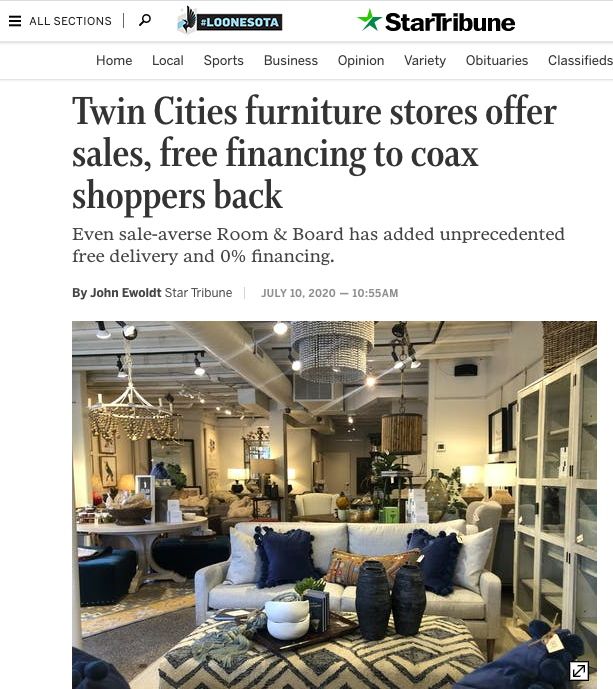
The result of the research has helped tech brands gain notoriety and position them as thought leaders. ROI and metrics are proven for this method.

  • Tech thought leadership is six times likelier to be shared than most articles on clients’ websites.
  • Facebook posts of thought leadership research gain approximately 30 times more engagement than other posts.
  • The tech companies often used the full report to gather contact information and received hundreds of leads from users looking to read the results.

Some Ways These Brands Used The Research

SkilledUp

eToro

Apttus

A10 Networks

Read some of our recent case studies and blogs here:

  1. NPS: An Explanation and its Importance
  2. COVID-19 and Conducting Market Research
  3. Sunpower: An NPS and Competitive Assessment Study

IF YOU WANT TO, SIGN UP FOR OUR NEWSLETTERS HERE!

and finally, follow our social media accounts:

Twitter: https://twitter.com/provokeinsights
Facebook: https://www.facebook.com/provokeinsights/

LinkedIn: https://www.linkedin.com/company/provoke-insights

NPS: An Explanation and its Importance
28 May 2020

Retaining a customer is five times cheaper than acquiring a new customer – that is why brand loyalty is crucial. While we know its value, how do you measure brand loyalty? Often by using the measuring technique, Net Promoter Score (NPS), is an important indicator of success.

NPS is a rating on a scale from -100 to 100. It informs how likely a consumer is to recommend a product or service to a colleague or a friend. This powerful number has a surprising history and can go a long way to inform brand strategy.

History of NPS

In a 2003 article for Harvard Business Review, Net Promoter Score was devised by Frank Reichheld, a fellow of the consultancy firm Bain & Company. He also continued his exploration of and correlation to success in the book The Ultimate Question 2.0 (co-authored with fellow Bain & Company employee Rob Markey).

What makes this score so important? To paraphrase what Reichheld wrote in his original article;

Loyalty by a customer is about more than just reoccurring purchasing. Even if someone buys over and over, they may not be loyal. They might be doing so out of indifference or barriers to exit. 

For this reason, loyalty must be measured by recommendation. A loyal customer will not only re-purchase but they will promote the brand among friends, family, and colleagues. By doing so, they are not only saying they will re-purchase, but they are putting their reputations on the line. 

NPS asks about likelihood to recommend. In other words, NPS measures not just whether a customer is buying a product consistently, but if they feel strongly enough about the product to risk how others view them to recommend the product or service. It’s both an indicator of brand usage and resonance.

What Makes NPS Beneficial

Reichheld links the score to company growth and success. NPS is a great company indicator, and it’s also a yardstick to compare to competitors and other industries. Understanding your own brand’s Net Promoter Score compared to direct competitors can show how you stack up in terms of loyalty. 

In addition to just your competitors, it’s essential to see how your industry’s NPS stacks up to other sectors to get a full contextual understanding of not only loyalty to your brand but relative to other brands/industries. For example, cable companies often rate much lower on average than other businesses, so a cable company may have a particularly low NPS but it may be higher than competitors. Knowing where it places among competitors and then among other industries allows for a fuller picture.

Calculation of Net Promoter Score

To calculate a brand’s net promoter score, respondents are asked to rate how likely they are to recommend the product/service to a friend or colleague on a scale of 0 to 10. After the data is collected, answers are grouped into three; detractors (answered 0 to 6), passives (answered 7 or 8), and promoters (answered 9 or 10). Further, the percentage of respondents who are detractors is subtracted from the percentage of promoters. Finally, that percentage is taken as a whole number, giving us an NPS.

Ways to Utilize NPS

One way to utilize NPS changes is by conducting a benchmark study to highlight how a brand is either progressing/regressing. An annual tracker that highlights Net Promoter Score for both the brand and its competitors gives a great view of changes in the market. Just the score itself is a view into how brands stack up.

What drives the score is essential to understand. Often, areas of the company, such as purchase process, customer service, and different product/service attributes, impact the score. By analyzing multiple attributes for your brand and the competition, you can tell what your brand is doing better and worse among the competition. You can also conduct correlations to determine what is driving each score.

Another way to use NPS is to isolate high propensity users based on demographics/answers to other questions in your survey. For example, maybe your company performs better among users from urban areas instead of suburban. Or possibly, if your product is online software, those that primarily use your software for one feature rate you higher or lower. Or even if users had issues signing up for your product, how that affects NPS, and if a big enough group of people are affecting your score due to one issue. This is the power of NPS.


NPS is a robust market research tool that can be used in conjunction with others. It is not the be-all and end-all, but it can help your company spot issues upfront and increase loyalty. 

If your company is interested in an NPS study or other market research, please reach out to [email protected], and we will be happy to schedule a call to discuss the research objectives with you.

In addition, check out Provoke Insights research services here.

Read some of our recent case studies and blogs here:

  1. COVID-19 and Conducting Market Research
  2. Sunpower: An NPS and Competitive Assessment Study
  3. Segmentation and Finding Your Target Audience

If you want to, Sign up for our newsletters here!

and finally, Follow our social media accounts:

Twitter: https://twitter.com/provokeinsights

Facebook: https://www.facebook.com/provokeinsights/

LinkedIn: https://www.linkedin.com/company/provoke-insights

COVID-19 and Conducting Market Research
18 May 2020

COVID-19 Impact on Market Research

In these unprecedented times, ‘business as usual’ is not always the case. At Provoke Insights, we are continually committed to providing you with the highest quality strategy and research. 

As our company has always supported our team working-at-home for a couple of days of the week, the transition to working virtually entirely has not been an issue. Our colleagues meet multiple times throughout the day to provide statuses on projects and give feedback and assist in initiatives.

We would be lying if we said COVID-19 has not impacted market research. However, at Provoke Insights, our agile approach has allowed us to adapt quickly. We are also continually assessing how we can develop the most effective research during these changing times.  

In-Person Research

Focus groups and in-person in-depth individual interviews have come to a halt due to the need for social distancing. At Provoke Insights, while we conduct online qualitative often, we have recently had to transfer an offline 30-focus-group project online in just a few days to online due to COVID-19. 

The virus impacts the recruitment process for online focus groups. The show-rate is much lower than the average show-rate (before the pandemic). Some of the causes are the following:

  • Essential workers such as warehouse and supermarket staff are often called in for extra hours at the last minute.
  • Parents had difficulty finding childcare as kids no longer had school or any daycare.
  • Overall, people are stressed due to income strain.
  • Some had to pull out as they fell ill due to the virus.
  • Participants under the age of 25 years old are less responsive, as many are undergoing an unusually large transition, moving home from college back into their parents’ homes.

At Provoke Insights, we have put the following procedures in place:

  • Over-recruit the number of participants per group by a significant amount
  • Additional reminders for those whom we recruit
  • Higher incentives to improve show-rate

Using Technology During Online Qualitative

Participants’ WIFI service may be slow due to high usage, or specific audiences are not very technologically savvy. As a result, at Provoke Insights, we take the target audience into account. For particular audiences, we recommend using qualitative technology that does not require high-speed wifi or is not too complicated.

The Research Topic & Questions   

COVID-19 is on many people’s minds, and it impacts the way people respond to questions. When developing guides and questionnaires, you need to understand the objective of the research and look at feedback regarding how the world is currently or diving into insights that are more long-term. Consequently, it is more important than ever to write questions smartly to understand the bigger picture rather than focus solely on the immediate environment. We review all initiatives to ensure that the current climate will not impact the project’s results. 

Refreshing Findings

While in a ‘normal’ year, it is crucial to update your research and findings to see if behaviors and the market have changed. This year, it is especially essential to understand that the research you may have conducted last year may no longer be relevant. Consumers’ mindsets are changing, and the way they behave will shift over the next few months.

If you are considering researching during this time, please reach out to Provoke Insights to address any concerns you may have. You can reach us using the contact page or by emailing [email protected]

In addition, check out Provoke Insights research services here.

Sunpower: An NPS and Competitive Assessment Study
18 May 2020

Background & Marketing Problem

Sunpower is a top solar panel company with retail in over 20 countries worldwide. Founded in 1985, the American energy company has manufactured solar panels for 35 years. The manufacturer was one of the first solar power companies, coming as a result of research conducted at Stanford University. In need of understanding their place in the solar power marketplace, Sunpower was looking for an NPS study.

Sunpower approached Provoke Insights to conduct an annual survey on the solar consumer purchase journey. Already a leader in the field, the company wanted to better understand its standing compared to the competition. The provider wanted to identify any competitive advantages and contemplate improvement efforts. In addition, an economic model was developed as a result of the research. Finally, the company wanted to gain a better understanding of its top competitors, as well as determine essential awareness, purchase, satisfaction, and referral drivers.

Market Research Solution

One of the best ways to understand how customers view your company’s product is through Net Promoter Score (NPS). NPS is a score that ranges from -100 to 100, which measures how likely a consumer is to recommend a product to a friend. The method helps measure both success and brand loyalty. NPS changes conducted over a period of years also helps highlight how a brand is either progressing/regressing in terms of its product’s reception.

Provoke Insights developed and conducted a 30 minute, 80 question survey among solar power customers with solar panels installed on their roofs. Accordingly, the survey was sent to both customers of Sunpower and its competitors. Further, a structural equation model was used to determine which attributes were drivers of NPS score and by how much.

Results of the Research

A comprehensive report was developed that provided a clear understanding of the market, and how the solar panel company compared to the competition. The annual analysis gave Sunpower a yearly benchmark to compare their position versus competitors in the market. In addition, the analysis helped Sunpower understand what drives awareness, and sales, and how to challenge the competition.

The information was used to drive key decisions in marketing, customer services, and the sales process. You can read more about the research here: https://solarbuildermag.com/news/fact-people-want-solar-energy-stats/

Segmentation and Finding Your Target Audience
06 Mar 2020

As mentioned in previous blogs and webinars, market research is best when its results are applicable. Research needs to have real-world significance for it to be worth conducting. Particularly when it comes to allocating marketing dollars, research can be a great tool to determine your target audience. Thankfully, there are research methods like segmentation that do just that!

Segmentation research is a way to better understand your prospects, current customers, as well as competitors’ target audiences. It provides a method to map out brand position and develop a deeper understanding of segments. Segmentation can also help drive customer growth by determining the right level of marketing investment required based upon the segment’s growth potential.

How does Segmentation work?

There are a few ways to conduct a segmentation study. First, you need to have a dataset. Usually, quantitative surveys are the best way to gather an adequate audience to segment potential markets. Additionally, you could segment a company database, although that will be a segmentation of your current/past customers vs. including your prospects. 

Once you have your dataset, the first step is to uncover themes using an advanced analytics technique called factor analysis. To generate the segments, you then conduct a cluster analysis in order to create cohorts that are not only manageable but also sizeable (making them sufficient to warrant the investment). This statistical technique is used to separate groups by clusters of answers to find groups that have similar behavior. As a result, you can segment your dataset into customers who have different consumer behaviors, and understand who might be your ideal customer.

On top of the dataset you are using, you can supplement your primary research with secondary research. This can include additional research on personas with the behaviors you found, including where they live geographically, as well as detailed media habits. Thereby accompanying your primary research with real-world results to better understand the bigger picture, and have strong results.

The Value of Segmentation

The value of segmentation research is that it directly ties into the usability of the findings. We provide direction to bring the segmentation alive and off the page. The end game is to ensure that all segments are “actionable”, meaning your company can easily target these prospects and customers. For instance, once your personas are created, using their behaviors, you can create personas and assign them names and bring their behaviors to life.

As a result, you will have a group of personas into which you can separate your overall audience. Their purchasing and consumer behaviors will pair with their demographics to help you understand exactly who your company needs to be prioritizing and omitting in terms of audience.

You can create a predictive algorithm (typing tool) to help group prospects and customers into a distinct group. This way your marketing is better targeted to their needs. 

In this case, you will be able to create a marketing strategy based on who you find to be your target audience, and who you find to be a disaffected audience. Likewise, you will find out who you should spend less time targeting. This is because your return on investment in terms of marketing dollars will be poor.

Conclusion

In conclusion, segmentation research is a great way to split your audience into different personas, leading to an actionable marketing strategy. In terms of market research methods, it’s a great way to combine both primary and secondary research methods. As a result, you will understand the consumer audience that your brand will draw.

If your company is interested in content marketing research, please reach out to [email protected], and we will be happy to schedule a call to discuss the research objectives with you.

In addition, check out Provoke Insights research services here.

Read more about segmentation on the Provoke Insights’ blog here:

  1. Segmentation Research: Why is it so Important?
  2. Segmentation Research and Creating Personas

Sign up for our newsletters here!

Follow our social media accounts:

Twitter: https://twitter.com/provokeinsights
Facebook: https://www.facebook.com/provokeinsights/

LinkedIn: https://www.linkedin.com/company/provoke-insights